Content Menu
● Introduction
● Understanding Sports Bras
>> What is a Sports Bra?
>> Key Features of Sports Bras
● Understanding Sports Bras vs. Swimsuits
>> Fabric Materials
>> Design and Support
● Can a Sports Bra Be Used as a Swimsuit? Exploring Possibilities
>> Pros of Using a Sports Bra as a Swimsuit
>> Cons of Using a Sports Bra as a Swimsuit
● Industry Trend: Hybrid Swimwear and Sports Bras
● Style Inspiration: How People Wear Sports Bras as Swimwear
>> Athleisure Swim Looks
● Expert Opinion from OEM Swimwear Factories
● Practical Scenarios: When It Works and When It Doesn't
>> Works Well In:
>> Not Recommended For:
● Choosing the Right Sports Bra for Swimming
● Practical Tips for Swimming in a Sports Bra
● Conclusion
● FAQ
>> 1. Can a sports bra survive chlorine exposure?
>> 2. Are there sports bras designed for both sports and swimming?
>> 3. Will a sports bra dry as quickly as a swimsuit?
>> 4. Can I wear a sports bra to the beach instead of a bikini top?
>> 5. How can swimwear brands create sports bra-inspired swimsuits?
Introduction
In recent years, activewear and swimwear have started to overlap, thanks to fashion trends and the growing demand for versatile, multi-purpose clothing. Among the many questions women and athletes have when it comes to merging sportswear with beachwear, one of the most common is: Can a sports bra be used as a swimsuit? This topic sparks curiosity not only for fitness enthusiasts but also for those who simply want a practical alternative when hitting the pool or the beach.
In this comprehensive article, we will explore functionality, fabric differences, benefits, limitations, style considerations, and industry recommendations related to this question. Step by step, we'll analyze the compatibility of sports bras with water sports and swimming activities, while also showing how OEM swimwear factories provide custom solutions tailored to buyers worldwide.
Understanding Sports Bras
What is a Sports Bra?
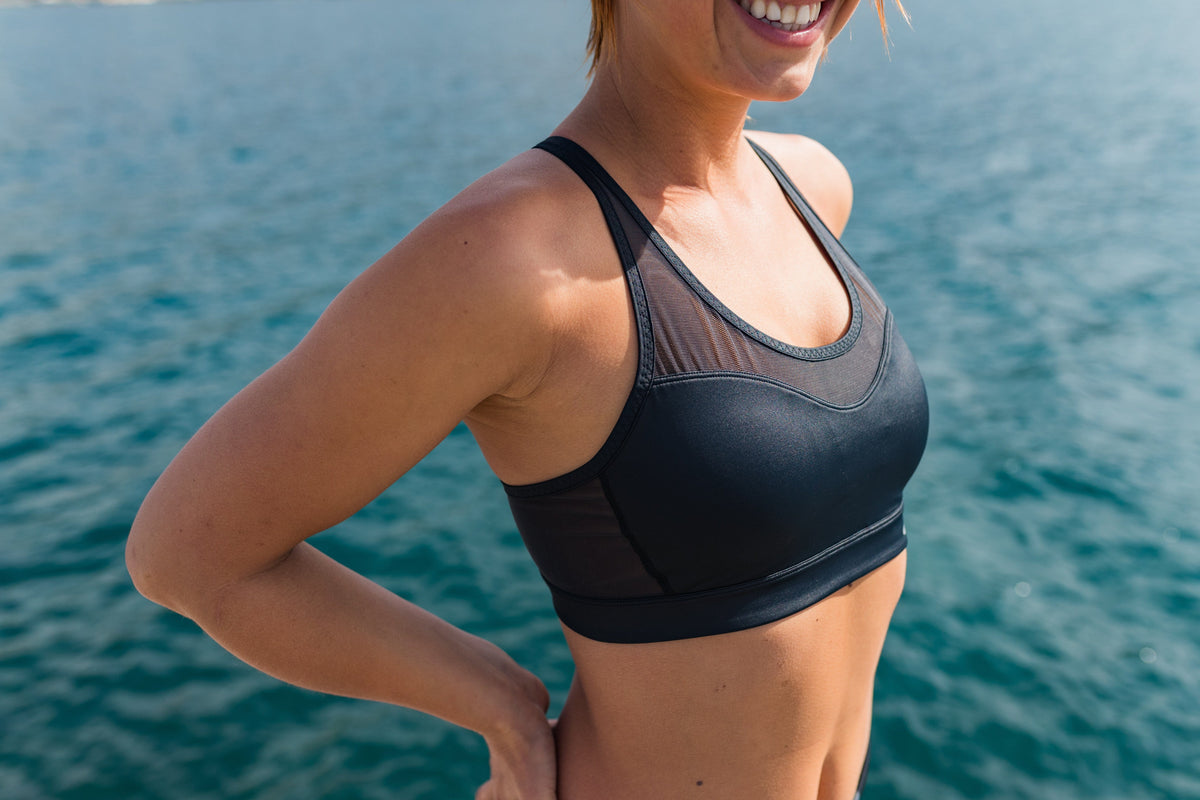
A sports bra is a specialized undergarment designed to provide support to women during physical activities. Unlike regular bras, sports bras are constructed to minimize breast movement, reduce discomfort, and enhance performance during exercise. They come in various styles, including high-impact, medium-impact, and low-impact options, catering to different levels of activity.
Key Features of Sports Bras
- Support: Sports bras are designed to offer varying levels of support based on the intensity of the activity.
- Moisture-Wicking Fabric: Many sports bras are made from materials that wick away sweat, keeping the wearer dry and comfortable.
- Breathability: Good ventilation is crucial, especially when engaging in high-intensity workouts or swimming.
Understanding Sports Bras vs. Swimsuits
Fabric Materials
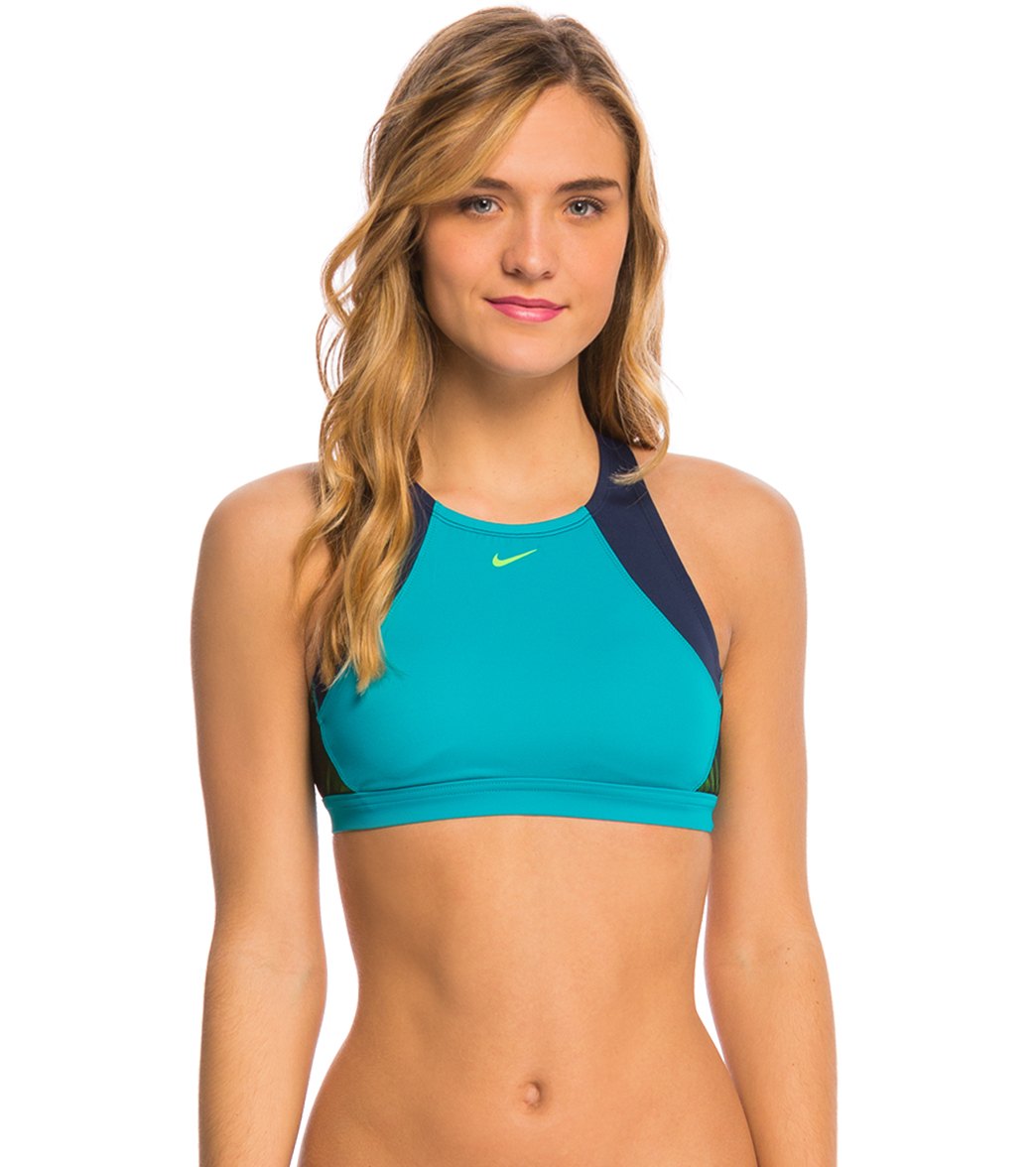
Sports bras are usually made from nylon, polyester, and spandex blends designed to wick away sweat and provide compression during exercise. Swimsuits, meanwhile, are crafted using chlorine-resistant and quick-drying fabrics, specifically formulated to withstand prolonged water exposure.
The critical difference is that sports bras are not designed for extended contact with salt water, chlorine, or heavily chlorinated pools. Over time, this can damage the fibers and reduce elasticity.
Design and Support
Sports bras are engineered for impact control, providing support during running, HIIT, yoga, or strength training. Swimsuits, while also supportive, are built with unique cuts and linings that enhance durability in water.
For instance:
- A high-impact sports bra might provide excellent bust support compared to certain swimsuits.
- However, swimsuits use lining, cup padding, and hidden elastic bands to stay in place underwater, while sports bras often lack this functionality.
So, while the *support* of sports bras is a strength, their resistance to water movement is limited.
Can a Sports Bra Be Used as a Swimsuit? Exploring Possibilities
The short answer is yes, but with limitations.
- For casual pool lounging or a quick dip at the beach, a sports bra can act as a swimsuit.
- For competitive swimming or long hours in saltwater, a sports bra is not ideal.
Pros of Using a Sports Bra as a Swimsuit
- Immediate availability: If you forget your swimwear, a sports bra can step in.
- Superior support: Some sports bras offer greater bounce control than string bikinis.
- Fashion crossover: Many brands design sports bras that resemble trendy swim tops.
- Versatility: After swimming, the sports bra can double as a workout top.
Cons of Using a Sports Bra as a Swimsuit
- Fabric wear and tear: Chlorine and salt degrade most sports bra fabrics quickly.
- Drying time: Sports bras often absorb more water, staying damp for hours.
- Hygiene concerns: Fabric not designed for water may trap bacteria.
- Fit issues: Without swim linings, sports bras may sag or shift underwater.
Industry Trend: Hybrid Swimwear and Sports Bras
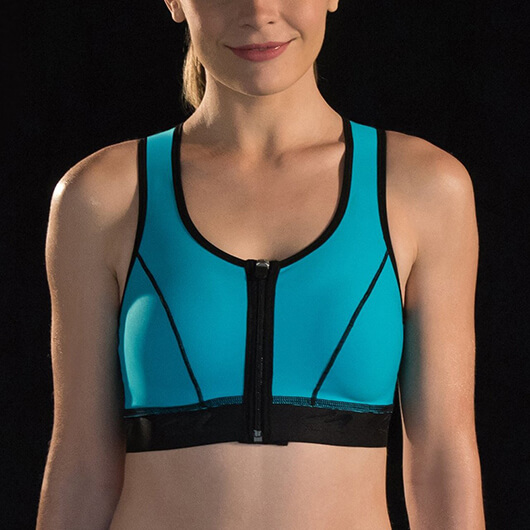
Recognizing this demand, many activewear and swimwear manufacturers (including OEM suppliers in China) have started producing hybrid swimwear-sports bras. These garments combine:
- The compression and support of sports bras.
- The durability, water-resistance, and style of swimwear.
Factories like ours offer customized OEM solutions for swimwear brands, wholesalers, and designers who want unique collections that merge fitness with swim fashion.
Style Inspiration: How People Wear Sports Bras as Swimwear
Athleisure Swim Looks
- Minimalist: Solid-colored sports bra paired with matching bikini bottoms.
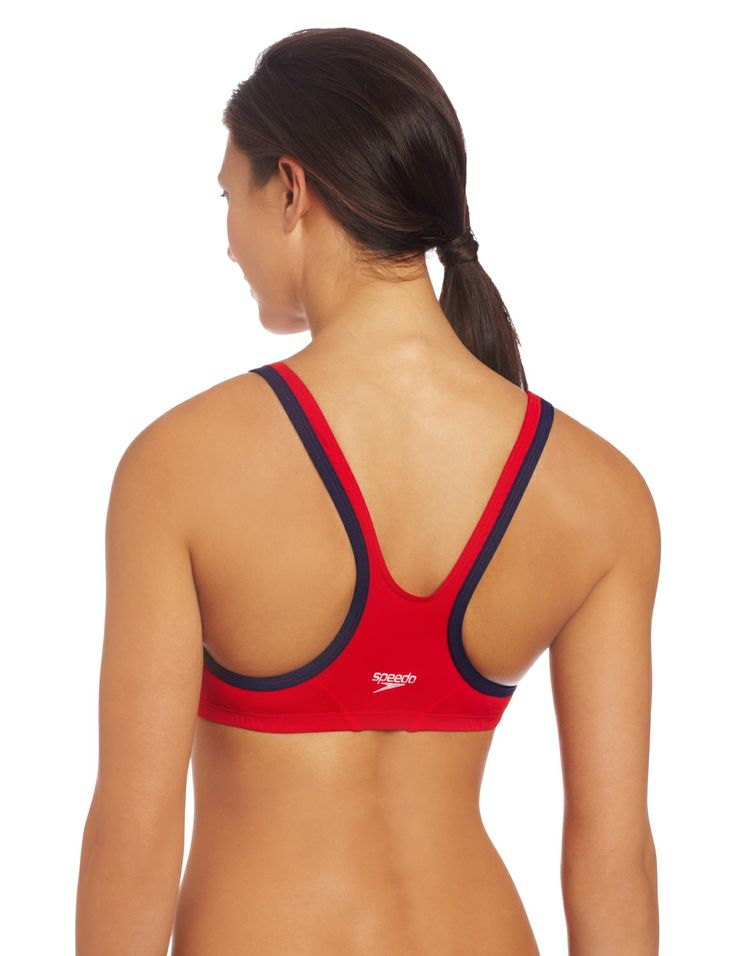
- Sporty chic: Racerback sports bra with high-waisted swim shorts.
- Trendy layering: Sports bra under sheer beach cover-ups.
This blending of styles has made the "sports bra as swimwear" trend visible across social media platforms like Instagram and TikTok.
Expert Opinion from OEM Swimwear Factories
As a professional swimwear manufacturer in China, we often receive inquiries such as: "Can a sports bra be used as a swimsuit?" Our answer: Yes, but with important caveats. For long-lasting use, we recommend:
- Requesting swim-safe fabrics when designing your sports bra-inspired swimwear.
- Using chlorine-resistant lining and breathable padding.
- Adding UV protection coatings for outdoor use.
We help brands and wholesalers create fashion-forward, functional pieces that satisfy both sports and swim markets.
Practical Scenarios: When It Works and When It Doesn't
Works Well In:
- Poolside sunbathing.
- Short recreational swimming.
- Surf yoga and paddle boarding.
- Pool parties where fashion matters more than performance.
Not Recommended For:
- Competitive swimming.
- Marathon water sports (surfing, triathlons).
- Chlorinated public pools with frequent use.
- Long-term beach vacations.
Choosing the Right Sports Bra for Swimming
When selecting a sports bra to use as a swimsuit, consider the following factors:
1. Fabric: Opt for sports bras made from materials that are quick-drying and resistant to chlorine and saltwater. Look for options labeled as swim-friendly or water-resistant.
2. Fit: Ensure that the sports bra fits snugly without being too tight. A good fit will prevent discomfort and chafing while swimming.
3. Design: Choose a design that offers enough support and coverage. High-neck styles or those with wider straps can provide additional support during swimming.
4. Care Instructions: Follow the care instructions for your sports bra to maintain its elasticity and shape. Rinse it with fresh water after swimming to remove chlorine or salt.
Practical Tips for Swimming in a Sports Bra
- Rinse After Use: Always rinse your sports bra after swimming to remove chlorine or salt, which can degrade the fabric over time.
- Layering: If you prefer extra support, consider wearing a swim top over your sports bra.
- Test It Out: Before wearing your sports bra for an extended swim, test it in a shallow area to ensure comfort and support.
Conclusion
So, *can a sports bra be used as a swimsuit?* Yes, but it depends on context. For occasional, casual dips, sports bras work well; however, for durability, hygiene, and fabric longevity, swimsuits are superior.
For swimwear brands and wholesalers, the growing interest in hybrid garments opens new opportunities. Partnering with an OEM swimwear factory ensures that innovative designs—combining the best of sports bras and swimsuits—reach global markets with quality assurance.
FAQ
1. Can a sports bra survive chlorine exposure?
Most sports bras are not chlorine-resistant. Repeated use in pools will damage fibers and reduce elasticity.
2. Are there sports bras designed for both sports and swimming?
Yes. Many brands now design hybrid bras with water-friendly fabrics, merging sports and swim functionality.
3. Will a sports bra dry as quickly as a swimsuit?
No. Sports bras are slower to dry since they absorb more moisture, unlike quick-dry swimsuit materials.
4. Can I wear a sports bra to the beach instead of a bikini top?
Yes, especially for fashion or moderate support needs. Just avoid staying in wet conditions for extended hours.
5. How can swimwear brands create sports bra-inspired swimsuits?
By working with OEM manufacturers that use water-resistant fabrics, chlorine-safe lining, and UV-protective materials.