Content Menu
● What Does a "Properly Fitted" Swimsuit Really Mean?
● Tight Swimsuits – Pros, Cons, and When to Choose Them
>> Advantages of a Snug, Supportive Swimsuit
>> Risks of Wearing a Swimsuit That Is Too Tight
● Loose Swimsuits – Comfort, Coverage, and Their Limitations
>> Benefits of a More Relaxed Swimsuit Fit
>> Drawbacks of Overly Loose Swimwear
● Tight vs Loose Swimsuits: Quick Comparison
● How Should a Swimsuit Fit by Body Area?
>> Bust and Neckline Fit
>> Waist, Hips, and Bottom Coverage
>> Straps and Shoulder Comfort
● Swimsuit Materials – Why Fabric Changes How Tight It Feels
>> Common Swimwear Fabrics and Fit Behavior
>> Elasticity and Recovery – The Real Test
● Practical Fit‑Test Checklist Before You Buy
● Choosing Tight vs Loose Based on Activity and Body Type
>> For Water Sports and Active Use
>> For Relaxed Beach, Resort, or Family Vacations
● Common Fit Problems and Quick Fixes
● When to Replace a Swimsuit That Used to Fit
● Final Verdict – Are Tight Swimsuits Better?
● Where to Add Visuals for Better User Experience
● FAQs About Tight vs Loose Swimsuits
>> 1. Should a brand‑new swimsuit feel tight?
>> 2. How do I know if my swimsuit is too small?
>> 3. Can I swim properly in a loose swimsuit?
>> 4. What is the best fit for plus‑size or curvier bodies?
>> 5. How often should I replace my swimsuit?
● Clear Call to Action
Finding the perfect swimsuit is less about "tight vs loose" and more about understanding how a swimsuit should fit your body and your activities. The right fit helps you feel confident, supports your bust and hips, and keeps everything in place in and out of the water.

What Does a "Properly Fitted" Swimsuit Really Mean?
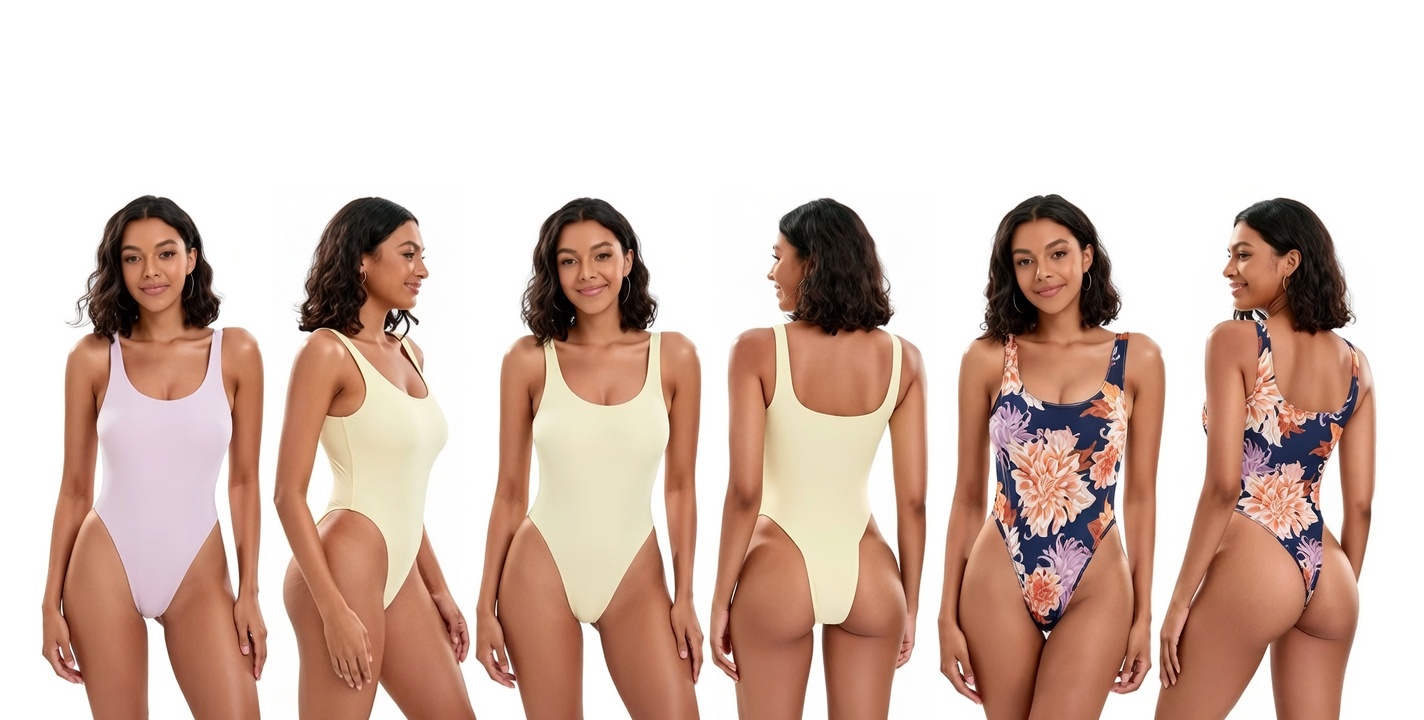
A properly fitted swimsuit should hug your curves like a second skin, but never feel painful or restrictive. You should be able to walk, squat, raise your arms, and swim without the fabric digging in or gaping.
Key signs of a good swimsuit fit:
- The fabric lies smooth over your bust, waist, and hips with no deep creases or heavy bulging at the seams.
- Leg openings and armholes feel secure but do not cut into your skin or leave deep red marks after a few minutes of wear.
- You can twist, sit, and stretch without constantly pulling the top down or the bottoms up.
- Straps stay in place on your shoulders without slipping off or carving into the skin.
If any area feels painful, leaves marks, or rides up immediately, the swimsuit is too tight; if it gaps or shifts when you move, it is too loose.
Tight Swimsuits – Pros, Cons, and When to Choose Them
Tight swimsuits are often associated with performance and support, especially in sports and training. The goal is controlled compression and stability, not discomfort.
Advantages of a Snug, Supportive Swimsuit
- Better hydrodynamics for active swimming: A close‑fitting suit reduces drag in the water, making it easier to move efficiently during laps or water sports.
- Improved bust and hip support: Snug swimwear helps minimize bounce, keeps pads or cups in place, and stabilizes the midsection.
- Reduced risk of wardrobe malfunctions: A firm fit lowers the chance that straps slip, bottoms shift, or tops ride up when you dive or jump.
- Cleaner, more sculpted silhouette: Compression fabrics smooth minor lines and can visually streamline the body under the suit.
Risks of Wearing a Swimsuit That Is Too Tight
- Skin irritation and pressure marks: Over‑tight straps and leg openings can dig in, leaving red grooves, bruises, or chafing.
- Restricted movement and breathing: Excess compression at the bust, ribcage, or hips can make it hard to take deep breaths or fully extend your arms and legs.
- Unflattering bulges: When the suit cuts into soft areas, it can exaggerate bulges instead of smoothing them.
- Discomfort that ruins your day: Constant pressure makes you more focused on your clothing than on enjoying the beach or pool.
If you need to "endure" your swimsuit, it is not the right size or cut—even if it looks fitted in the mirror.

Loose Swimsuits – Comfort, Coverage, and Their Limitations
Loose swimsuits are often chosen for modesty, comfort, or a relaxed, resort‑style look. They can work well in the right context but are not ideal for every activity.
Benefits of a More Relaxed Swimsuit Fit
- Higher comfort and airflow: Extra room allows more air circulation and avoids the feeling of being "squeezed" into your swimwear.
- More coverage for self‑conscious areas: Flowier styles help conceal the tummy, hips, or thighs for those who prefer a modest appearance.
- Freedom for light activities: Loose tops, swim dresses, or boardshorts feel very comfortable for sunbathing, walking, or casual beach days.
Drawbacks of Overly Loose Swimwear
- Higher risk of shifting or slipping: Loose suits can ride up, float away from the body, or expose more than intended when you jump or dive.
- Drag and resistance in the water: Extra fabric catches water, making swimming harder and sometimes causing the suit to balloon or twist.
- Slower drying time: Relaxed styles often hold more water, remaining heavy and damp for longer after you leave the pool or sea.
For serious swimming or sports, overly loose swimwear is rarely the best choice because of drag, instability, and the risk of accidental exposure.
Tight vs Loose Swimsuits: Quick Comparison
| Aspect | Snug / Tight Fit | Loose / Relaxed Fit |
| Comfort over a full day | Comfortable if properly fitted; uncomfortable if too compressive. | Very comfortable for lounging but may feel heavy when wet. |
| Support & stability | Stronger bust and hip support, less shifting during movement. | Less support; may shift or gap during activity. |
| Best for activities | Lap swimming, surfing, water sports, beach volleyball. | Sunbathing, casual beach walks, poolside relaxing. |
| Risk of malfunctions | Lower when fit is correct; higher if uncomfortably tight. | Higher risk of slipping or riding up in waves or jumps. |
| Drying performance | Generally quicker due to closer body contact. | Often slower; more fabric retains more water. |
| Aesthetic effect | Smooth, sculpted silhouette if the cut suits your body. | Flowy, modest, or oversized fashion look, less body‑defining. |
How Should a Swimsuit Fit by Body Area?
A swimsuit can be snug in some zones and softer in others. Understanding each area helps you evaluate whether the suit is truly "tight" or just properly supportive.
Bust and Neckline Fit
- Cups or panels should fully contain breast tissue without spillage at the top, sides, or underarm.
- Underbust bands must sit flat against the ribcage; if they ride up, the suit is too loose, but if they cut in, it is too tight.
- For active swimming, higher necklines, racerbacks, or wide straps provide more control and reduce bouncing.
Waist, Hips, and Bottom Coverage
- The waistband and leg openings should be snug enough that you feel secure when you squat or step, but not so tight that they create sharply visible indents.
- Choose more coverage (mid‑rise, high‑waist, or boyshort styles) if you are more conservative or participate in active play with family or children.
- Brazilian, cheeky, and high‑leg cuts can still be secure as long as the elastic lies flat and does not shift easily when you move.
Straps and Shoulder Comfort
- Straps should sit flat on the shoulders without slipping or digging; adjustability is important for balancing lift and comfort.
- Cross‑back and racerback designs often offer better support for water sports compared with thin, straight straps.
- If you need to shorten straps to the maximum and the top still feels loose, the overall size is likely too big.

Swimsuit Materials – Why Fabric Changes How Tight It Feels
Fabric composition can make the same size suit feel very different on your body. Some blends offer greater stretch and recovery, while others stay firmer and more structured.
Common Swimwear Fabrics and Fit Behavior
- Spandex / Elastane blends: Highly stretchy, body‑conforming, and ideal for snug, athletic fits that move with you.
- Polyester blends: Durable, chlorine‑resistant, and slightly firmer; they can feel less forgiving if the pattern is very tight.
- Nylon blends: Smooth and soft with good stretch, but may lose firmness faster over time with heavy sun and chemical exposure.
As fabric relaxes with wear, a suit that felt very tight at first may soften and become more comfortable, but if it starts bagging or sagging, the support is lost.
Elasticity and Recovery – The Real Test
To judge whether the swimsuit's tightness is functional or excessive:
1. Gently stretch a strap or side panel and release it. It should snap back to shape instead of staying stretched out.
2. Try a few movements: lift your arms, bend forward, do a small squat. The suit should remain in place without pinching.
3. After a few minutes of wear, check for deep marks or numbness. If present, the elasticity might be too aggressive for your body type.
Practical Fit‑Test Checklist Before You Buy
Use this simple step‑by‑step checklist to decide if a swimsuit is the right tightness for you.
1. Try multiple sizes
Do not assume your usual clothing size will fit; different brands cut swimsuits differently.
2. Move like you're at the beach
- Raise your arms overhead.
- Sit, squat, and twist.
- Simulate a small jump or lunge.
If you feel exposed or constrained, adjust size or style.
3. Check bust and bottom security
- No under‑boob or side‑boob when you lean forward.
- Bottoms stay in place when you walk or lightly tug the side seams.
4. Inspect straps and openings
- No deep red marks after a few minutes.
- No gaping around armholes, side seams, or along the back neckline.
5. Evaluate comfort after 5–10 minutes
Stand and sit for several minutes. A swimsuit that feels okay for 30 seconds in the mirror might feel too tight with time.
Choosing Tight vs Loose Based on Activity and Body Type
Your ideal fit changes with where and how you plan to wear your swimsuit.
For Water Sports and Active Use
A snug, performance‑oriented fit works best if you plan to:
- Swim laps or train regularly
- Play beach volleyball or water polo
- Surf, paddleboard, or snorkel in waves
Look for:
- Racerback or cross‑back one‑pieces
- High‑support bikini tops with wide bands
- Secure bottoms with strong elastic at the leg openings
For Relaxed Beach, Resort, or Family Vacations
A slightly more relaxed fit works if your priority is comfort, sunbathing, and casual photos rather than performance.
Good options include:
- Tankinis or swim dresses for more coverage and ease
- Bikini sets with adjustable ties at the sides or back
- Looser boardshorts or rash guards layered over a fitted base suit
The swimsuit should still be reasonably secure; "loose" should mean easy and comfortable, not unstable.
Common Fit Problems and Quick Fixes
Small adjustments can transform how tight or loose a swimsuit feels.
- Problem: Straps dig into shoulders
- Solution: Try styles with wider straps, adjustables, or switch to a larger size in the top while keeping the same cup coverage.
- Problem: Bottoms ride up constantly
- Solution: Choose fuller coverage cuts, slightly size up, or pick firmer elastic around the leg openings.
- Problem: Top gaps when you lean forward
- Solution: Opt for higher necklines, wrap styles, or tops with more structured cups and stronger underbust support.
- Problem: Suit feels tight when dry but okay when wet
- Solution: This can be normal with some fabrics, but if breathing or movement is limited when dry, size or cut is still off.
When to Replace a Swimsuit That Used to Fit
Even the best swimsuit will change with time, sun, salt, and chlorine. An older suit may feel "looser" but also less supportive and less secure.
Signs it is time for a new swimsuit:
- Fabric becomes thin, shiny, or see‑through in bright light.
- Elastic feels loose or "crunchy" and no longer snaps back.
- The suit shifts more than before during normal activities.
- You no longer feel confident or supported when you wear it.
Final Verdict – Are Tight Swimsuits Better?
Tight swimsuits are better for sports, serious swimming, and anyone who wants strong support and a secure, streamlined fit. Loose swimwear is better for relaxed days, modest coverage, and comfort‑first styling.
The best swimsuit is not simply "tight" or "loose"; it is secure, supportive, and comfortable for your body, your style, and your favorite water activities.
Where to Add Visuals for Better User Experience
To make this guide easier to understand and more engaging for readers, visuals can be added at key points:
- Near the comparison table: An illustration showing a snug sporty one‑piece versus a relaxed swim dress to highlight different fits.
- In the "How Should a Swimsuit Fit" section: Simple diagrams pointing to bust, waist, hip, and strap areas, marking ideal tension zones.
- In the "Fit‑Test Checklist": A short video or GIF of a model performing the try‑on movements (raising arms, squatting, bending forward).
- In the "Common Fit Problems" section: Before‑and‑after photos demonstrating how changing strap width, coverage, or size fixes tightness or looseness issues.
These visuals help users quickly see what the text explains and increase time on page and engagement.
FAQs About Tight vs Loose Swimsuits
1. Should a brand‑new swimsuit feel tight?
Yes, a new swimsuit can feel snug because performance fabrics are designed to stretch and mold to your body after a few wears. It should not, however, cause pain, restrict breathing, or leave severe marks.
2. How do I know if my swimsuit is too small?
Your swimsuit is likely too small if you experience constant digging at straps or leg openings, visible bulges at seams, or breast spillage from the cups when standing or moving. Needing to "endure" discomfort is a clear sign the size or cut is wrong.
3. Can I swim properly in a loose swimsuit?
You can swim in a slightly relaxed swimsuit, but a very loose one increases drag, may float up away from your body, and can expose you unexpectedly in waves or when diving. For regular laps or sports, a snug style is safer and more efficient.
4. What is the best fit for plus‑size or curvier bodies?
Curvier bodies often feel best in suits that combine supportive, snug panels at the bust and waist with enough coverage at the hips and bottom to prevent digging. Look for higher necklines, wider straps, and structured cups to create comfort and stability.
5. How often should I replace my swimsuit?
If you swim frequently, you may need to replace your swimsuit every season once the fabric loses elasticity, becomes see‑through, or no longer feels secure. Occasional swimmers can keep a suit longer but should still monitor fit and support over time.
Clear Call to Action
If your current swimsuit feels either uncomfortably tight or worryingly loose, use the fit‑test checklist above during your next try‑on and focus on secure, supportive comfort instead of just the size number. Choose fabrics and cuts that match your activities, body type, and confidence level so you can fully enjoy every moment in the water.