Content Menu
● 1. Function First: Why "Racing One‑Piece" Beats Fashion Swimwear
● 2. Why Racing One‑Piece Swimsuits Work So Well
>> 2.1 Real user experience
>> 2.2 Key design advantages
● 3. Swimsuit Types: Recommended vs. Not Recommended
>> 3.1 Recommended for real swimming
>> 3.2 Styles that are poor choices for lessons and training
● 4. Fit, Coverage and Body‑Shape Advice
>> 4.1 How to know the fit is right
>> 4.2 Choosing by body shape
● 5. Fabric, Durability and Comfort
>> 5.1 Fabric types
>> 5.2 Comfort details that matter
● 6. Special Tips for Beginners and Students
● 7. Before and After Swimming: Practical Care Tips
● 8. Quick Buying Checklist
● 9. OEM Insight: How a Professional Factory Adds Value
● 10. Call to Action
● FAQs
● References
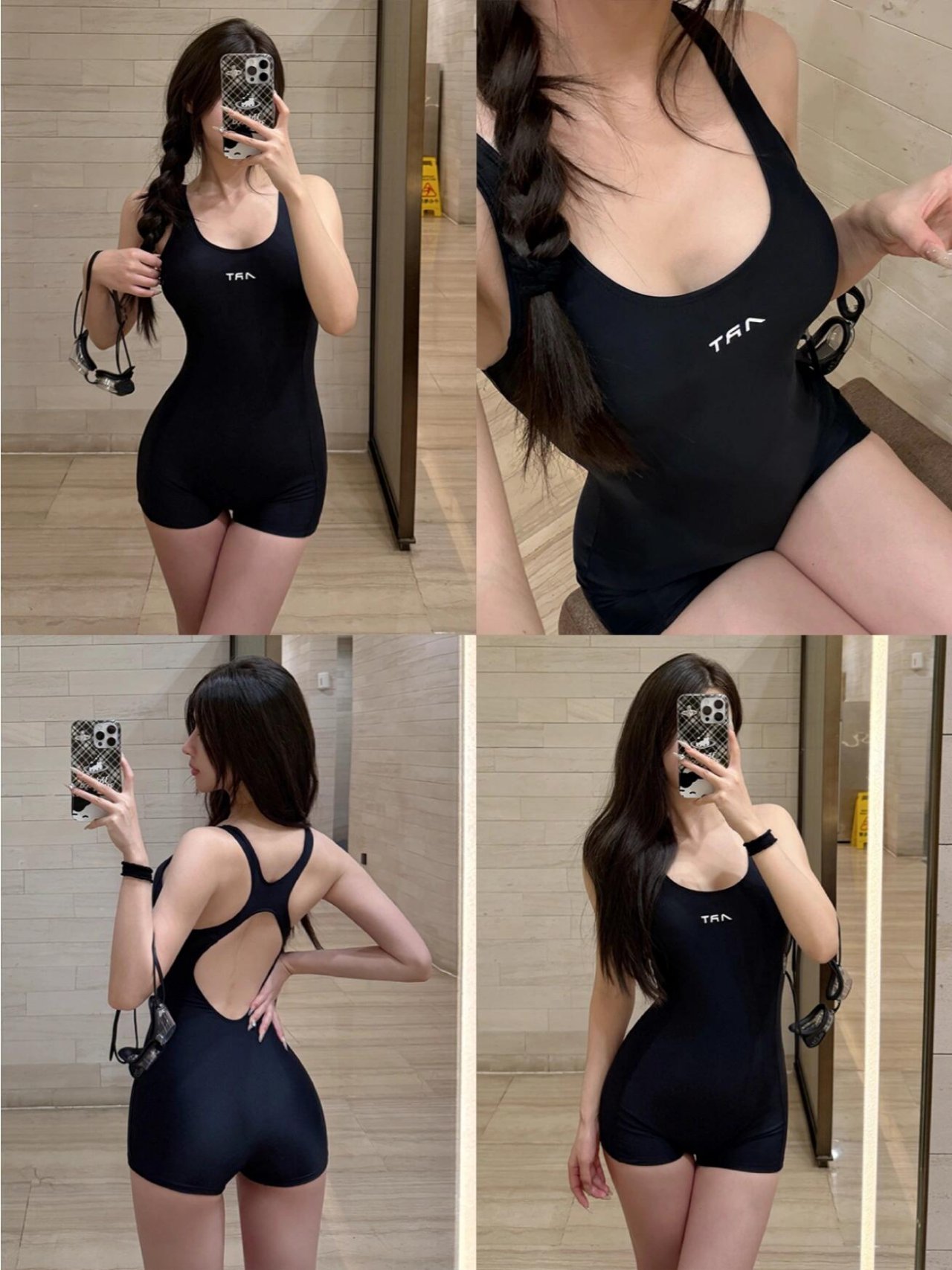
A classic black boy‑leg racing one‑piece is a perfect example of a swimsuit designed for real swimming, not just photos.
If you are serious about swimming—learning with a coach, taking school swim classes, or doing regular training—your swimsuit must be secure, streamlined and supportive, not just pretty for photos.
1. Function First: Why "Racing One‑Piece" Beats Fashion Swimwear
Many beginners (and even experienced swimmers) start with cute two‑piece or skirted swimsuits. They look great on land, but the moment you start real laps, problems appear:
- Skirts float up like seaweed and create drag.
- Two‑piece tops ride up, bottoms slip down, and you keep adjusting instead of focusing on your strokes.
- Decorative straps and metal parts dig into the skin or are impossible to fasten alone.
That is why more and more women switch to racing one‑piece swimsuits with boy‑short legs: they are stable, safe and light in the water, while still shaping the body nicely.
2. Why Racing One‑Piece Swimsuits Work So Well
2.1 Real user experience
From the user opinions you shared, several clear patterns appear:
- Women who changed from skirted two‑piece suits to plain racing one‑pieces felt an immediate improvement in comfort and confidence.
- They no longer worried about wardrobe malfunctions when kicking at the wall, doing drills on the pool deck, or working closely with a (male) coach.
- A simple black or bright‑colored racing suit with wide straps stayed in place, felt cool on the skin, and made swimming feel lighter and faster.
In short, once someone really starts swimming, they usually discover that "good for photos" and "good for swimming" are two different products.
2.2 Key design advantages
A good racing one‑piece typically offers:
- Integrated design: top and bottom are connected, so nothing separates or shifts when you push off the wall.
- Boy‑short or low‑cut leg opening: the suit fully covers the buttocks, which is crucial for beginners, students and anyone who wants more coverage.
- Secure back and straps: wide straps or professional racerback cuts keep the suit in place during freestyle, backstroke, and drills.
- High‑stretch fabric: strong yet elastic fabric hugs the body, reduces drag and naturally shapes the waist and hips.
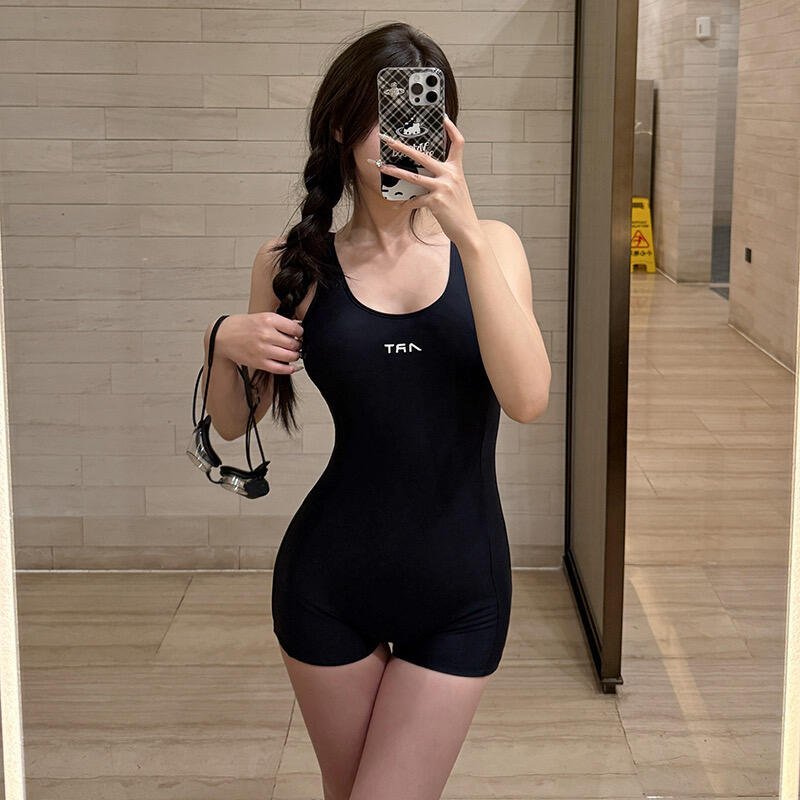
Front view: clean neckline, wide straps and boy‑leg cut for full coverage.
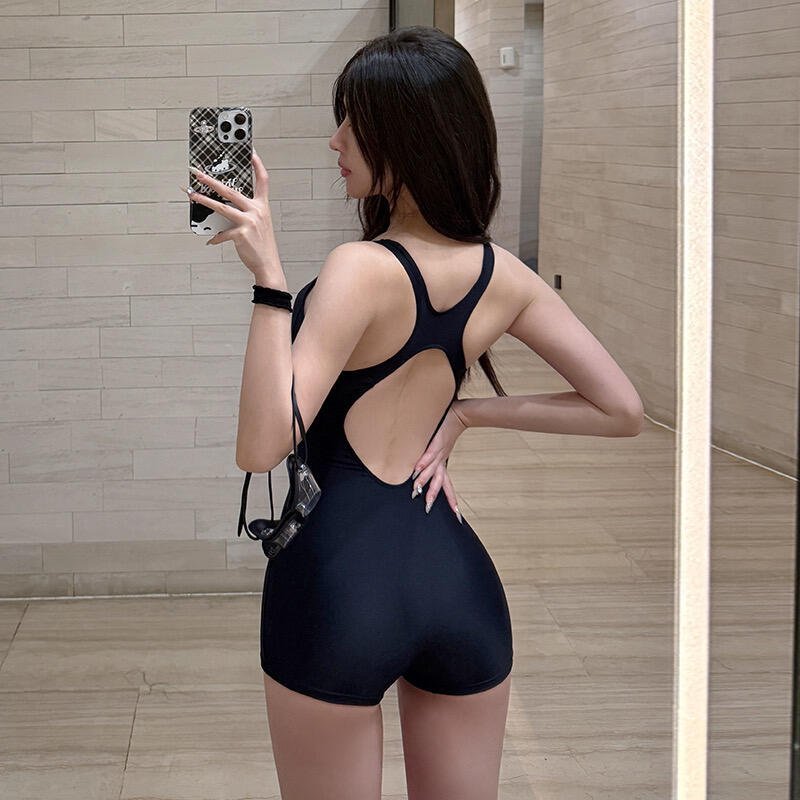
Back view: open racerback design keeps the suit secure while allowing full shoulder rotation.
For your factory, styles like the black short‑leg suits in your photos are perfect examples of this "clean and practical" approach.
3. Swimsuit Types: Recommended vs. Not Recommended
3.1 Recommended for real swimming
1. Racing one‑piece with boy‑short legs
- Best for: lessons, school swim classes, training, conservative wearers, pear‑shaped bodies.
- Benefits:
- No extra fabric floating around.
- Full bottom coverage and strong sense of security.
- Professional appearance, suitable for teenagers and students.
2. Sporty one‑piece without skirt (standard cut)
- Best for: women who already swim confidently and want a lighter, feminine look.
- Key points: secure straps, fixed cups, and a leg opening that does not cut too high for your comfort level.
3. Short‑sleeve racing one‑piece with front zipper
- Best for: regular pool users and learners who worry about underarm exposure.
- Advantages: easy to put on—step in, pull up, zip the front; sleeves protect the shoulders; boy‑short legs stay in place during drills.
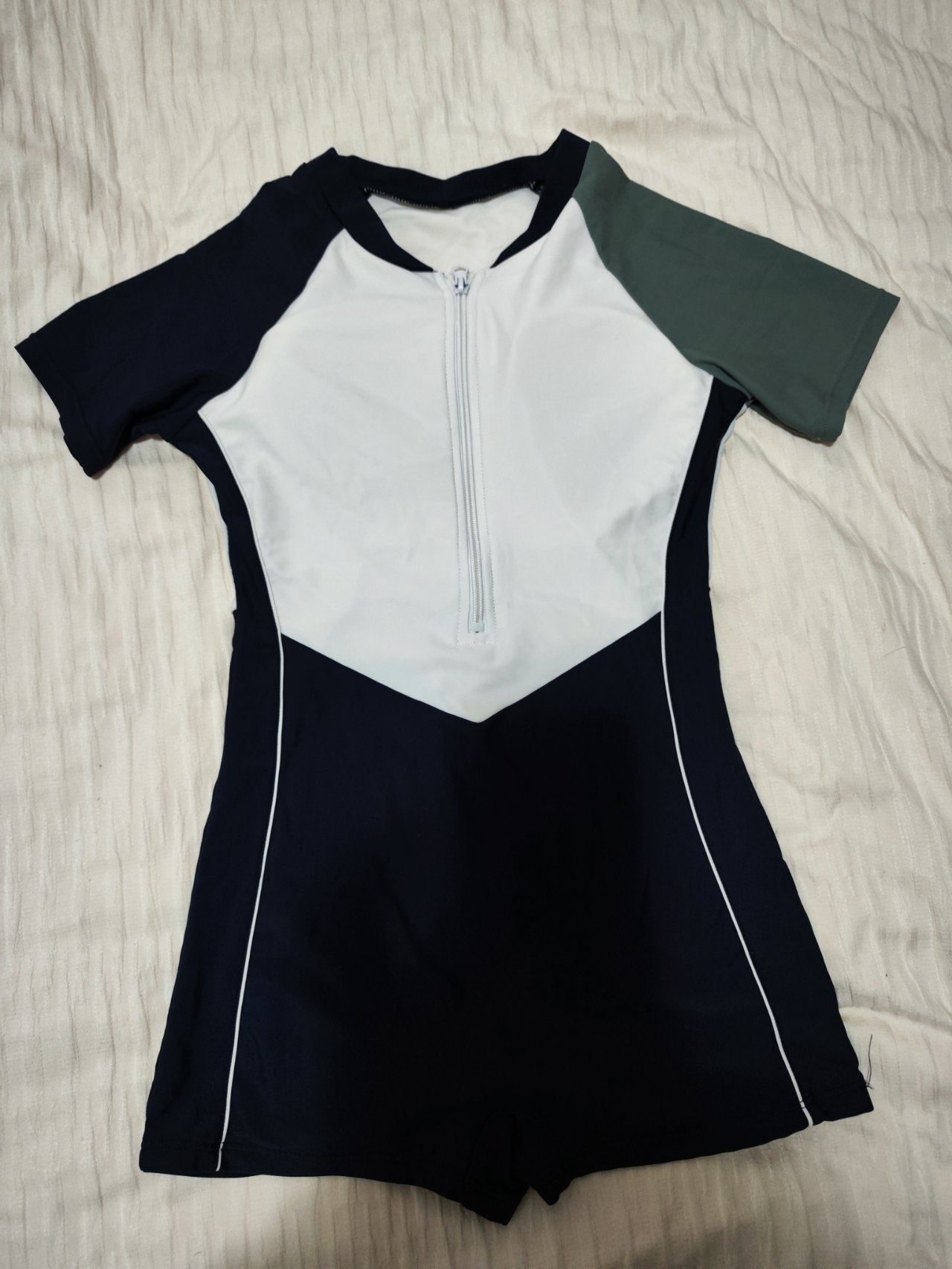
Short‑sleeve boy‑leg racing suits with contrast seams are ideal for frequent pool users and swim lessons, combining modest coverage with low drag.
3.2 Styles that are poor choices for lessons and training
From both user feedback and practical experience, the following designs are not ideal if you want to swim seriously:
1. Skirted swimsuits
- Skirt hems float to the surface, wrap around the thighs and create resistance.
- Kicking drills and push‑offs feel heavier and can become embarrassing.
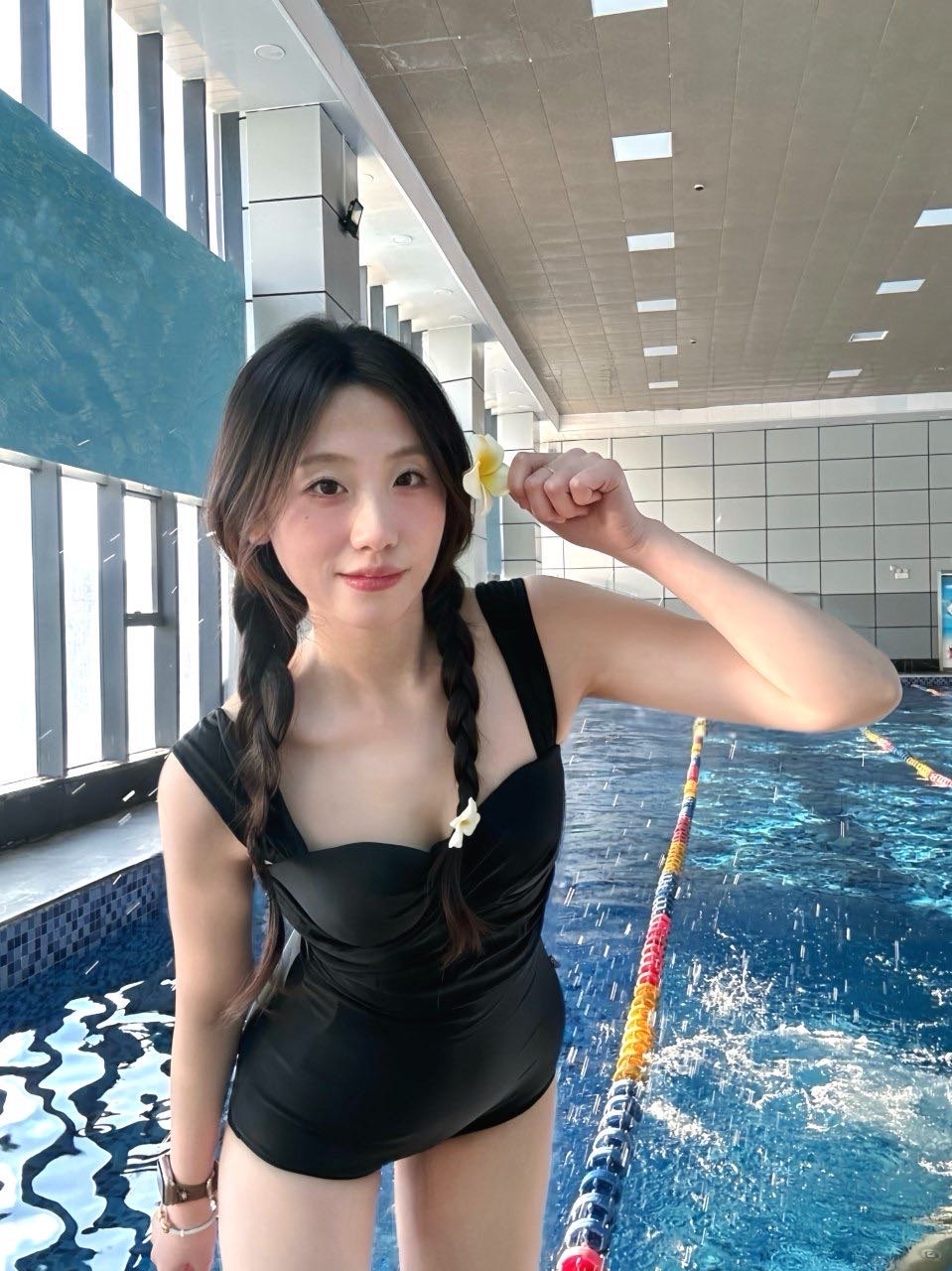
This skirted one‑piece looks cute on the pool deck, but once you start swimming the floating hem adds drag and increases the risk of exposure.
2. Two‑piece sets and bikinis
- Tops may roll up and reveal the midriff; bottoms can slide down when you jump in or push off the wall.
- In a class with a male coach, this adds a lot of unnecessary discomfort and distraction.
3. Complicated criss‑cross or lace‑up backs
- Difficult to put on without help; you often cannot reach the straps properly.
- Uneven tension on the straps can cause rubbing or instability when you move.
4. Underwire (bra‑style) swimsuits
- Metal or hard plastic underwire presses into the chest and feels like a foreign object under the bust.
- Poor‑quality underwire can pop out after just a few uses and even damage the fabric.
- For smaller busts, underwire cups often gape and look empty.
5. Loose, removable cup pads
- When the pads are not fixed, they drift around inside the lining as you swim, creating strange shapes or even accidental exposure.
- Fixed, sewn‑in pads are much more reliable.
6. Extreme high‑cut leg openings
- Fashionable for photos, but when you stretch, kick or climb out of the pool, they easily ride up and show more than you want.
4. Fit, Coverage and Body‑Shape Advice
4.1 How to know the fit is right
For a functional swimsuit, slightly tight is correct. You should feel supported, not squeezed. When trying on:
- The straps stay firmly on the shoulders when you raise both arms overhead.
- There is no large gap or sagging fabric at the back or waist.
- The crotch area sits flat against the body—no "bagging" or hanging down.
- Do a few test moves: arm swings, a mock freestyle stroke, and a shallow squat. The suit should not shift dramatically or cut into your skin.
If a customer feels the suit is "as comfortable as pajamas," it is usually too loose for serious swimming.
4.2 Choosing by body shape
Different body types can benefit from different design details:
- Pear‑shaped (wider hips and thighs)
- Dark‑colored boy‑short racing suits are ideal.
- Side panels or vertical lines help visually narrow the hips and waist.
- Full bust or broader upper body
- Wide straps and a medium‑high neckline give more support and coverage.
- Avoid tiny spaghetti straps and very low fronts.
- Petite or small bust
- Light padding with fixed cups or gentle shaping seams create a smooth, natural curve.
- Bright colors or prints on the upper body draw the eye upward.
- Those who prefer modesty or extra sun protection
- Short‑sleeve suits or pairing a simple one‑piece with a rash‑guard style top offers more coverage without sacrificing freedom to move.
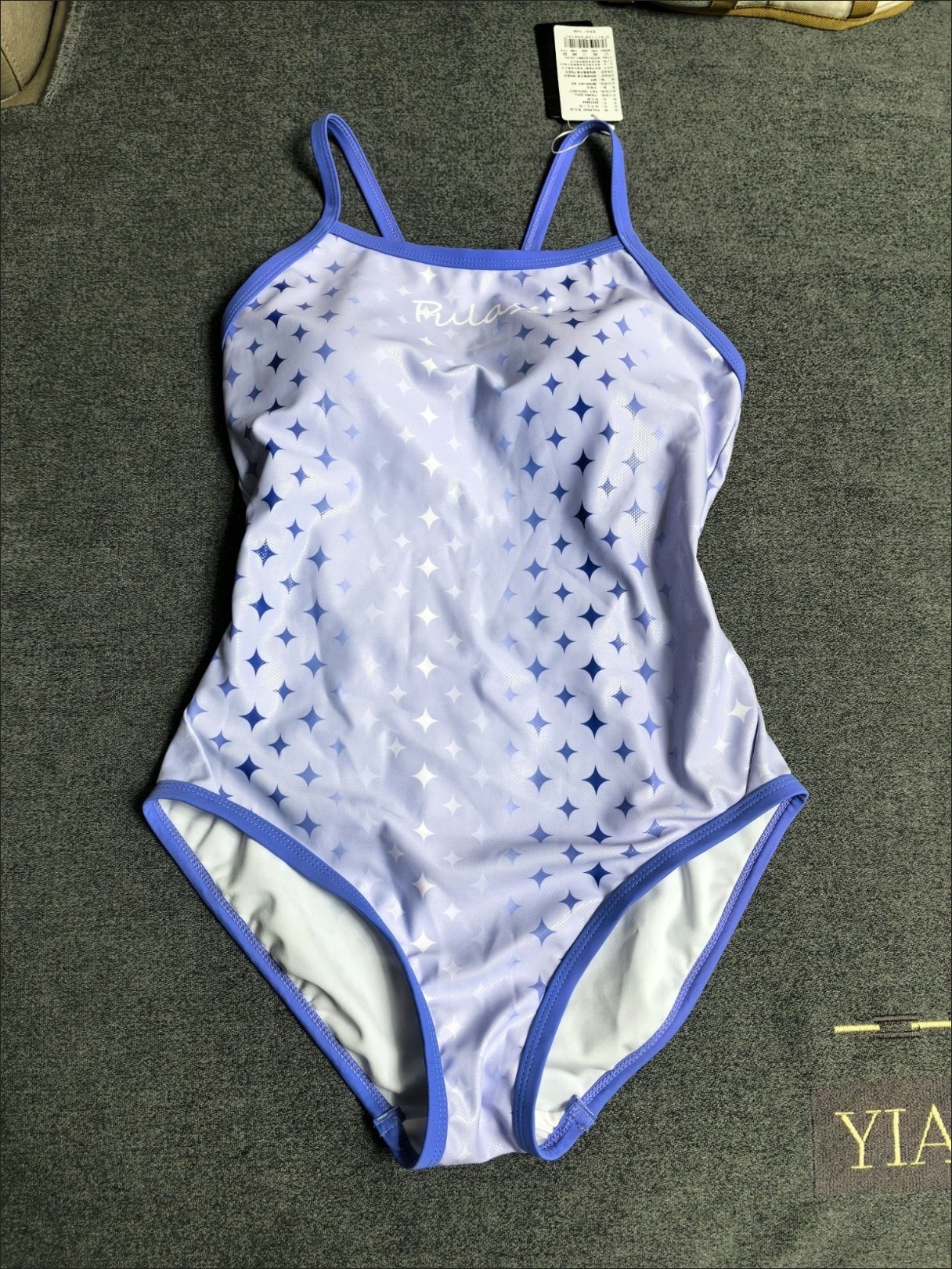
Once you are confident with the fit, you can introduce brighter prints like this lilac training one‑piece while still keeping a streamlined silhouette.
5. Fabric, Durability and Comfort
5.1 Fabric types
For frequent swimming—especially in chlorinated pools—the fabric quality decides how long the swimsuit will last.
- Polyester‑based fabrics
- Highly resistant to chlorine and fading.
- Hold their shape even after many sessions.
- Feel slightly firmer, which is great for training suits.
- Nylon/spandex blends
- Very soft and elastic, pleasant to wear.
- Slightly less resistant to chlorine; best for occasional swimmers or vacation use.
- High‑performance racing textiles
- Use advanced fiber blends and surface treatments to reduce water absorption and drag.
- They compress the muscles slightly and are mainly used for competition suits.
- For everyday training, softer "entry‑level racing" fabrics are a good balance between performance and comfort.
5.2 Comfort details that matter
Small details can dramatically improve the wearing experience:
- Smooth seams and lining reduce chafing around the shoulders, underarms and thighs.
- Quick‑dry properties mean you can shower, gently squeeze out the water and change back into school uniform or office clothes quickly.
- Non‑see‑through design with darker colors, double layers at the bust, and fixed pads keeps you feeling secure in any light.
6. Special Tips for Beginners and Students
If you are just starting swimming lessons or attending compulsory school swim classes, consider the following:
1. Choose a one‑piece with boy‑short legs.
- It is conservative enough for school rules and private coaching environments.
- You do not waste energy worrying about exposure.
2. Pick dark, solid colors for class.
- Black or navy racing suits look professional and slim, and they are accepted by most schools and public pools.
3. Avoid designs that are hard to put on alone.
- Complicated ties and multiple back straps are impractical when you have only a few minutes in the changing room.
4. Consider front‑zip short‑sleeve suits.
- They are easy to put on, friendly to upper‑arm concerns, and comfortable when you are learning with the coach's close guidance.
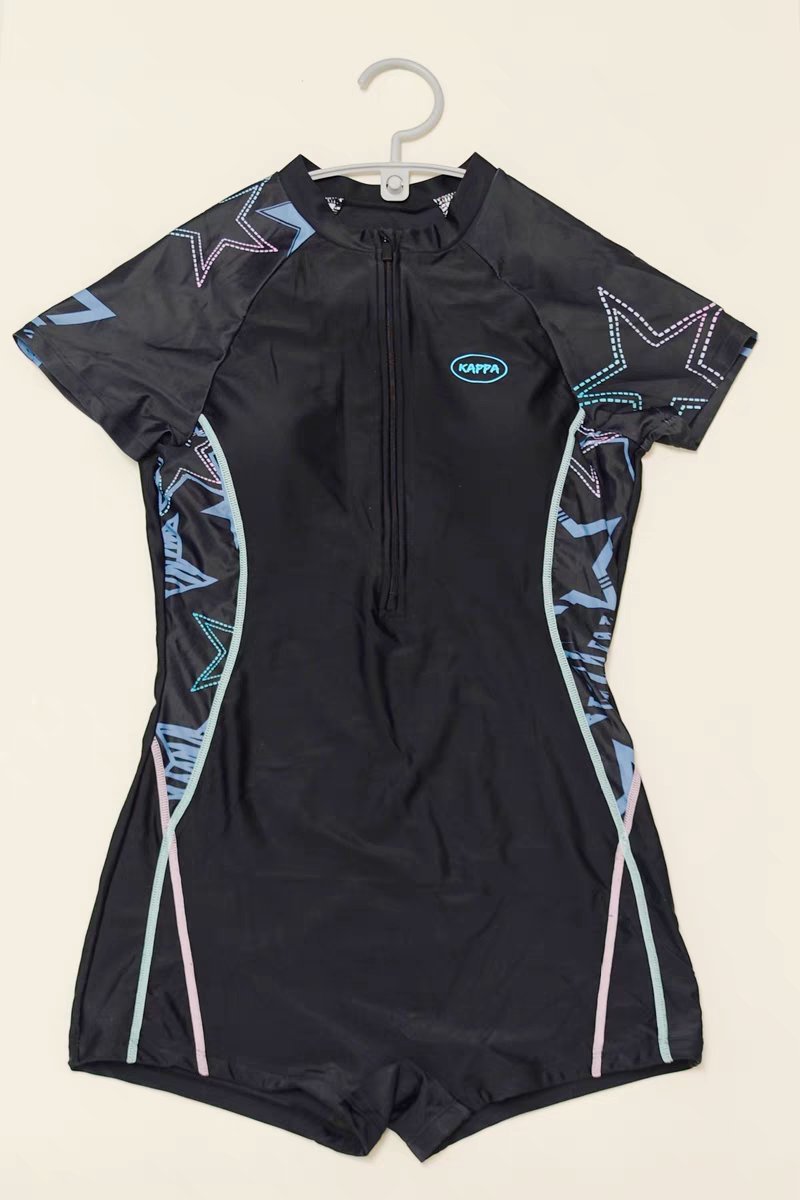
Short‑sleeve boy‑leg suits in dark colours are ideal as school swim uniforms or for conservative training environments.
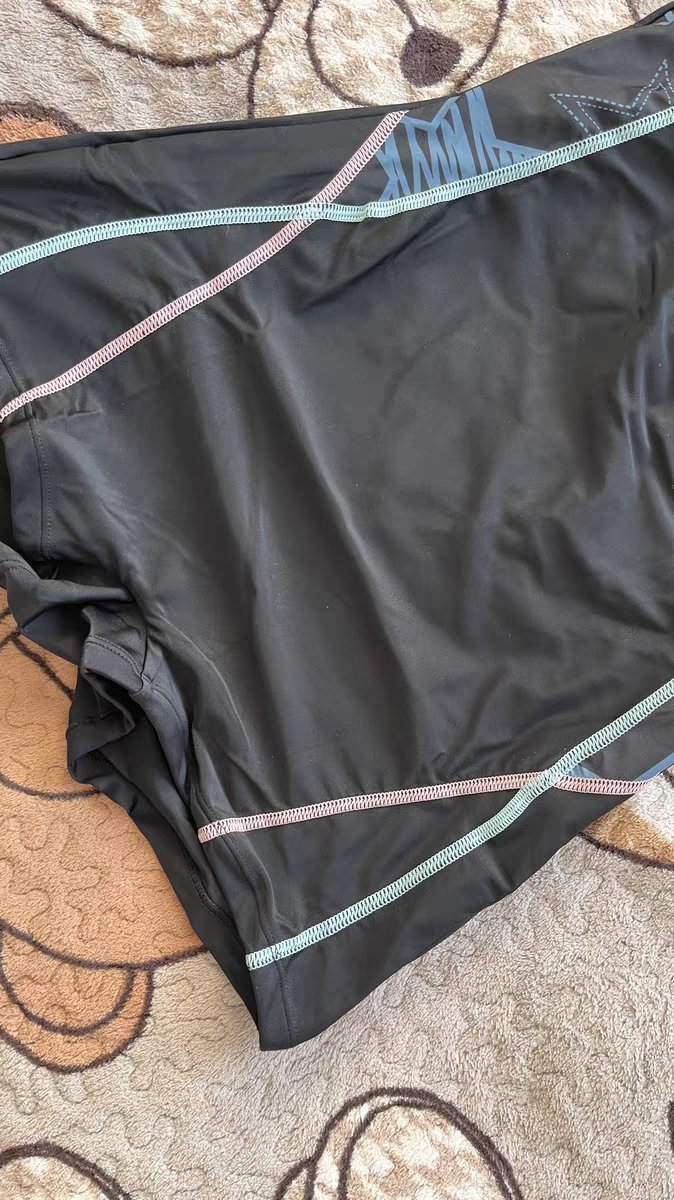
Colour‑blocked short‑sleeve designs add a sporty look while keeping coverage and stability for drills and exams.
7. Before and After Swimming: Practical Care Tips
To protect both your hair and your swimsuit, build a simple routine:
- Before swimming
- Apply a small amount of conditioner to your hair, then put on your swim cap. This helps reduce chlorine damage and makes washing easier later.
- Rinse your body quickly with clean water so the skin and hair absorb less pool water.
- After swimming
- Rinse your body and hair thoroughly; use mild shampoo and body wash.
- Rinse the swimsuit in cool, clean water immediately.
- Gently press out excess water—do not wring or twist hard.
- Lay the suit flat in the shade to air‑dry; avoid hot dryers and direct sunlight, which can break down elastic fibers.
With this care, a well‑made training swimsuit can stay in shape for many months of regular use.
8. Quick Buying Checklist
Before placing an order or checking out your cart, run through this checklist:
1. Style: racing or training one‑piece, preferably with boy‑short legs; no skirts.
2. Fabric: chlorine‑resistant material, especially if you swim weekly.
3. Bust design: fixed, non‑moving pads; no underwire.
4. Straps and back: wide and secure, not easily slipping off or cutting into the shoulders.
5. Coverage: full bottom coverage and a leg cut you feel comfortable with in any movement.
6. Fit: close to the body, with slight compression but no pain; test with arm swings and squats.
7. Use scenario:
- Lessons, exams, school: dark, simple boy‑short one‑piece.
- Regular training: durable polyester training suit.
- Vacation and photos: you can add one decorative skirted or cut‑out style, but treat it as a separate fashion item.
9. OEM Insight: How a Professional Factory Adds Value
For overseas brands, wholesalers and importers, working with a specialized swimwear factory like Dongguan Abely Fashion Co., Ltd. allows you to deliver swimsuits that perform as good as they look:
- Pattern development based on real user pain points
- Focused on racing one‑piece, student training suits, modest designs and flattering cuts for pear‑shaped figures.
- Material sourcing and testing
- Fabrics are selected for stretch, recovery and chlorine resistance; fixed cup pads, strong zippers and durable threads are chosen to handle frequent pool use.
- Fit trials and in‑water testing
- Sample sizes are tested through real swimming motions to fine‑tune coverage and comfort.
- Full customization
- Clients can customize logos, colors, prints and packaging, building collections that match their brand identity while following the functional rules in this guide.
If your target customers are learners, students and training swimmers, building collections around racing one‑piece and boy‑short designs will help you stand out from purely "photo‑only" swimwear brands.
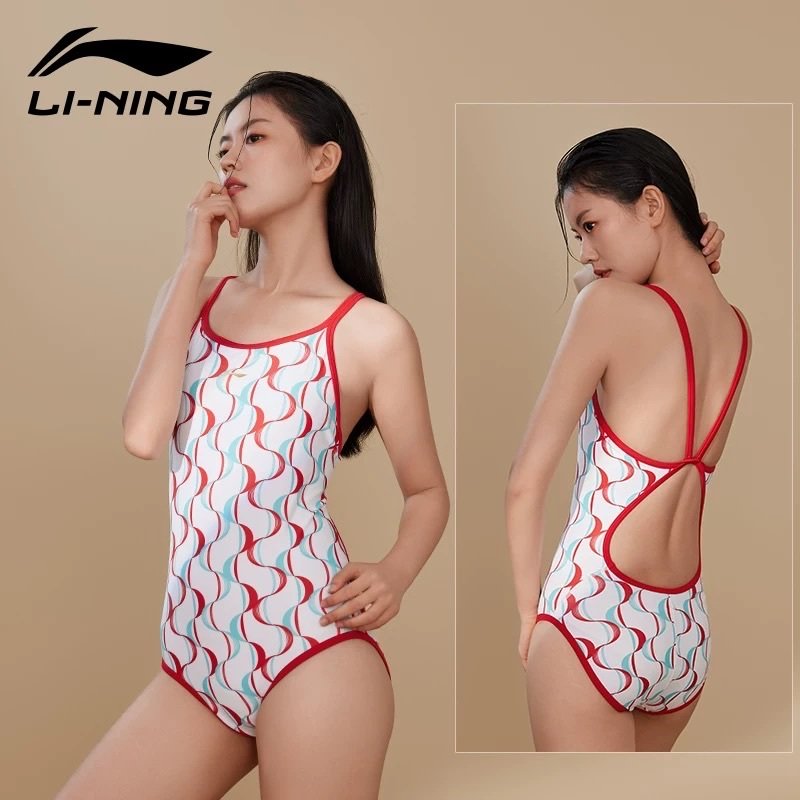
Racing one‑pieces in custom colours and prints, like this red‑and‑white style, show how OEM collections can balance performance with brand‑specific design.
10. Call to Action
Ready to develop a swimwear line that your customers will actually enjoy wearing in the water?
Start with a core collection of black boy‑short racing one‑pieces, student‑friendly training suits and figure‑flattering modest designs, then expand colors and prints from there. Dongguan Abely Fashion Co., Ltd. can support you with design advice, sampling and OEM production so that every piece is lightweight, comfortable and truly swim‑ready.
FAQs
Q1: Do beginners really need a racing swimsuit?
You do not need a high‑end competition suit, but a simple racing or training one‑piece gives much better stability and coverage than fashion bikinis or skirted sets, so learning becomes easier.
Q2: Is a skirted swimsuit completely useless?
Skirted swimsuits are fine for photos or shallow‑water play, but they are not suitable as your main suit for lessons or training because the skirt dramatically increases drag.
Q3: Are one‑piece swimsuits too inconvenient for the toilet?
They can take a little longer to remove, but a front‑zip or stretchy one‑piece is still quick. In exchange, you get far more security and peace of mind in the water.
Q4: I have a pear‑shaped body. Will a tight racing suit make me look bigger?
Actually, a dark, well‑cut boy‑short one‑piece usually looks slimmer than loose or layered designs, because it smooths the lines instead of adding bulk and floating fabric.
Q5: How long can a good training swimsuit last?
With regular rinsing and air‑drying, a chlorine‑resistant training suit can handle frequent pool sessions for many months without serious fading or losing its shape.
Estimated word count: approximately 1,850 words.
Short description (≈300 characters):
This in‑depth guide shows women how to choose truly comfortable and lightweight swimsuits for lessons, school swim classes and training, explaining why racing one‑piece styles beat bikinis and skirts, and how Dongguan Abely Fashion Co., Ltd. can supply professional OEM swimwear.
References
1. REI Co‑op. “Swimsuits: How to Choose.” REI Expert Advice. https://www.rei.com/learn/expert-advice/swimsuits.htmlrei
2. Arena. “How to choose the right women's swimsuit for you.” https://www.arenasport.com/en_row/faq/product-tips-and-advice/how-to-choose-the-right-womens-swimsuit-for-you.htmlarenasport
3. Ocean Soul Bali. “One Piece Swimsuits vs. Bikinis: Which is Better for Surfing?” https://oceansoulbali.com/blogs/news/one-piece-swimsuits-vs-bikinis-which-is-better-for-surfingoceansoulbali
4. Decathlon Hong Kong. “SWIMMING|CHOOSING A WOMEN'S ONE PIECE SWIMSUIT.” https://sportadvice-en.decathlon.com.hk/swimming-choosing-a-womens-one-piece-swimsuitsportadvice-en.decathlon
5. Arena. “Find Your Swimming Edge With a Women's Competition Suit.” https://blog.arenaswim.com/us/swim-tech-us/womens-competition-suits/blog.arenaswim
6. Alibaba.com Insights. “One Piece Swimsuit vs Bikini: Which Offers Better Support for High Impact Activities?” https://www.alibaba.com/product-insights/one-piece-swimsuit-vs-bikini-which-offers-better-support-for-high-impact-activities.htmalibaba
7. Jaze Swim. “Choosing the Right Swimsuit for Women: Durability and Comfort Matter.” https://jazeswim.com/blogs/all-about-swimming/choosing-the-right-swimsuit-for-women-durability-and-comfort-matterjazeswim
8. Nuoto Mania Shop. “Racing Swimsuits & Competitive Swimwear.” https://www.nuotomaniashop.it/en/guide/27-racing-swimsuits-competitive-swimwearnuotomaniashop
9. Tucann. “Bikini vs One-Piece: Choosing the Right Swimwear Style.” https://www.tucann.com/blogs/news/bikini-vs-one-piecetucann
10. Elsmore Swim. “Fitting Your First Tech Suit: A Beginner’s Guide to Competitive Swimwear.” https://elsmoreswim.com/pages/fitting-your-first-tech-suit-a-beginner-s-guide-to-competitive-swimwear-comparisonelsmoreswim
11. Doodlebugs Child. “One-Piece vs Bikini: Choosing the Right Style for Your Daughter.” https://www.doodlebugschild.com/blogs/blog/one-piece-vs-bikini-choosing-the-right-style-for-y/