Content Menu
● Introduction: What Makes a High-Quality Bikini?
● Nylon and elastane
● Polyester and elastane
● Common fabric options
● Bikinitop construction
● Bikini bottom construction
● Negative ease
● Step 1: Product brief
● Step 2: Fabric and trim development
● Step 3: Pattern and first sample
● Step 4: Fit and wear testing
● Step 5: Pre-production approval
● Step 6: Bulk production and inspection
● Important supplier questions
● 1. What fabric is best for a bikini?
● 2. Is nylon or polyester better for swimwear?
● 3. What does UPF 50 mean in swimwear?
● 4. How can I prevent a bikini from becoming see-through?
● 5. What should I test before placing a bulk bikini order?
● 6. Can a factory produce custom private label bikinis?
● 7. What information should I send for a bikini quotation?
● SEO Meta Description
Bikini Manufacturing Guide: Fabric Technology, Fit Engineering, and OEM Quality Control
Primary keyword: bikini manufacturer
Secondary keywords: bikini OEM manufacturer, custom bikini manufacturer, private label swimwear, sustainable swimwear manufacturer, custom swimwear production
Recommended audience: Fashion brands, swimwear labels, wholesalers, retailers, and sourcing teams
Introduction: What Makes a High-Quality Bikini?
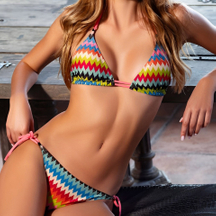
A bikini is more than a fashionable two-piece swimsuit. For brands and buyers, it is a technical garment that must combine fabric performance, body comfort, fit stability, colorfastness, construction accuracy, and attractive design.
At Dongguan Abely Fashion Co., Ltd., we work with overseas brands, wholesalers, and manufacturers that need dependable bikini OEM and private label swimwear production. From material selection and pattern development to sampling, bulk manufacturing, and quality inspection, our experience shows that successful swimwear is created through a balance of design creativity and production engineering.
A strong bikini collection should look appealing in product photography, feel comfortable on the body, remain stable in water, and maintain its shape after repeated exposure to chlorine, salt water, sweat, sunlight, and washing.
This guide explains the most important technical factors behind professional bikini manufacturing and shows how brands can make better product decisions.
1. Bikini Fabric Selection: Nylon, Polyester, and Elastane
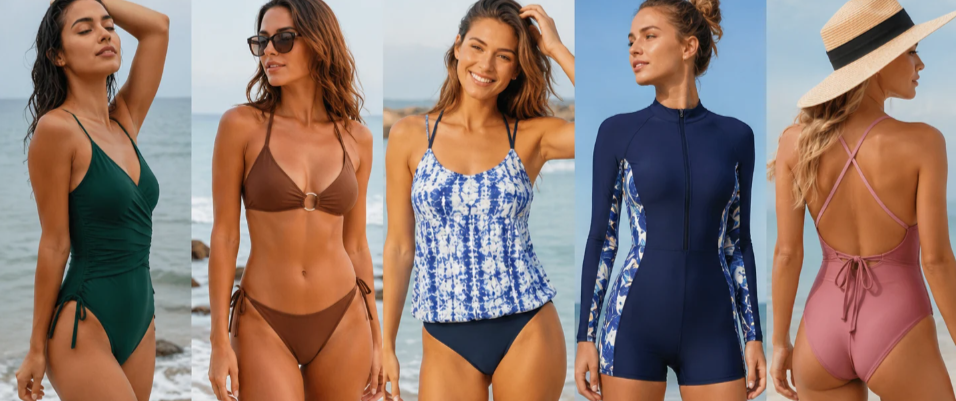
The fabric is the foundation of bikini performance. Most commercial swimwear uses a blend of nylon or polyester with elastane, also known as spandex.
Nylon and elastane
Nylon is soft, smooth, and comfortable against the skin. It offers good abrasion resistance and creates a premium hand feel, which is why it is popular in fashion bikinis, resort swimwear, and luxury collections.
A nylon-elastane blend is suitable for:
- Fashion-focused bikini collections
- Soft and smooth hand feel
- Premium printed swimwear
- Comfortable beachwear and resortwear
- Styles requiring good stretch and recovery
Polyester and elastane
Polyester generally provides good resistance to chlorine, sunlight, and chemical exposure. It also has low moisture absorption and can dry relatively quickly.
It is often selected for:
- Training swimwear
- Performance bikinis
- Active beachwear
- Longer-lasting color performance
- Private label collections for frequent use
Common fabric options
| Fabric construction | Main advantages | Recommended use |
| Nylon and elastane | Soft, flexible, smooth, comfortable | Fashion bikinis and resort collections |
| Polyester and elastane | Good durability and chlorine resistance | Training and active swimwear |
| Recycled polyester and elastane | Supports sustainability positioning | Eco-conscious private label brands |
| Double-layer fabric | Better opacity, support, and coverage | Premium or fuller-coverage styles |
| Ribbed or textured fabric | Adds visual depth and body-shaping effect | Trend-driven collections |
The percentage of elastane is also important. A higher elastane content may improve stretch and body fit, but the fabric must also have strong elastic recovery. A material that stretches easily but does not return to its original shape can cause sagging after repeated wear.
Professional development should evaluate:
- Stretch percentage
- Recovery after repeated extension
- Fabric weight
- Opacity when dry and wet
- Colorfastness
- Resistance to chlorine and salt water
- Pilling and abrasion performance
AATCC and ASTM provide textile testing methods for colorfastness, dimensional change, UV protection, elasticity, abrasion, and other performance characteristics.
2. UPF and UV Protection in Bikini Design
Sun protection is becoming increasingly important in swimwear. However, brands should use technical claims carefully.
UPF, or Ultraviolet Protection Factor, describes how effectively a fabric blocks ultraviolet radiation. A fabric labeled UPF 50 allows approximately one-fiftieth of the relevant UV radiation to pass through under the applicable test conditions.
The result depends on several factors:
- Fabric density
- Fiber type
- Color
- Fabric thickness
- Finishing treatment
- Stretch level
- Wet or dry condition
One important technical issue is that highly stretched fabric may provide less effective coverage because the spaces between yarns become larger. This means that a fabric's laboratory UPF result may not fully represent its performance when worn under strong tension.
For this reason, brands should request:
1. A valid fabric test report
2. The stated testing method
3. Information about dry and wet performance
4. Clarification of whether the claim applies to the fabric or finished garment
AATCC references UV-protective textile testing through methods such as TM183, while ASTM materials include preparation and labeling considerations for UV-protective textiles.
A bikini with UPF fabric does not protect uncovered skin. It should be promoted as part of a wider sun-protection strategy that may also include sunscreen, a hat, sunglasses, and a cover-up.
3. Bikini Fit Engineering: Support, Comfort, and Stability
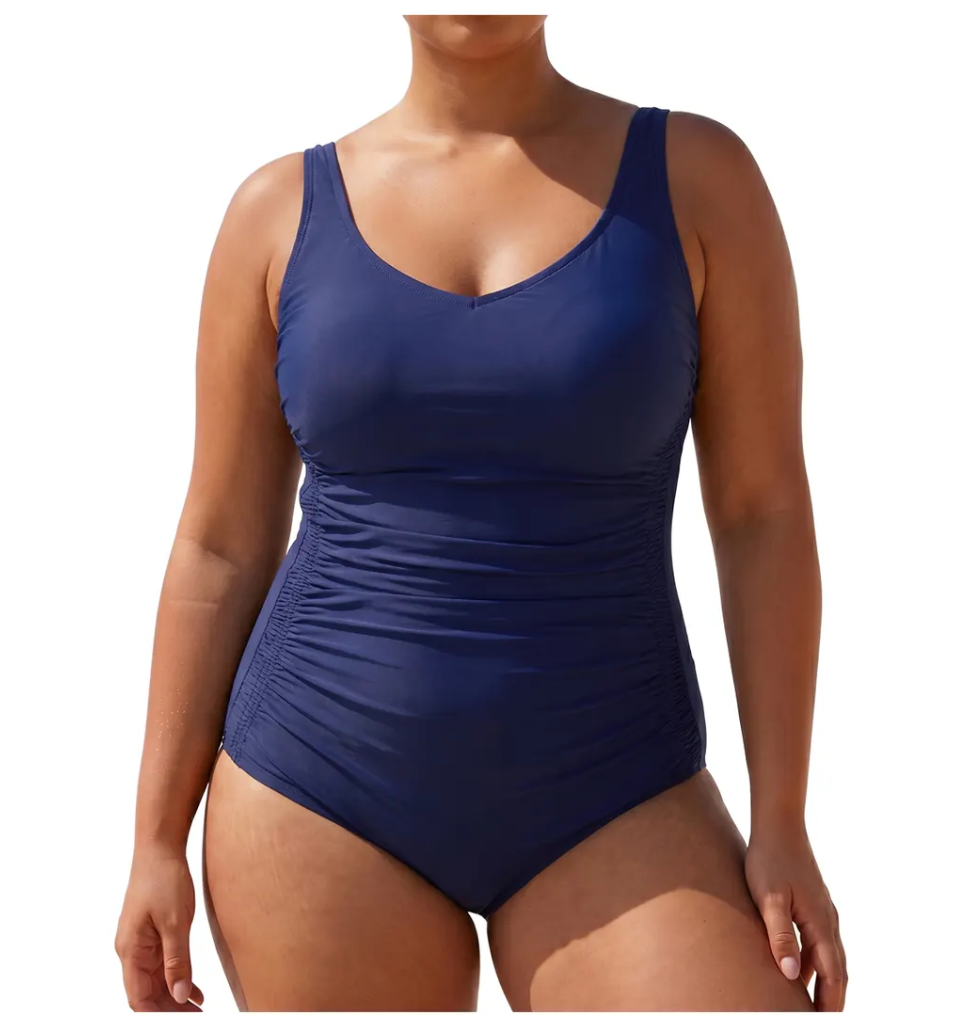
A beautiful bikini can still fail if it moves, digs into the skin, or becomes transparent when wet. Fit engineering is therefore one of the most important stages in product development.
Bikini top construction
Common bikini top structures include:
- Triangle cups: Lightweight and visually minimal, best for low-impact activities.
- Bandeau tops: Clean and strapless, but dependent on accurate band tension and anti-slip construction.
- Underwire tops: Provide additional shaping and support.
- Sport bikini tops: Use wider straps, stronger underbands, and more coverage.
- Tankini-inspired tops: Offer greater coverage while retaining a two-piece format.
The main support components are the cup, underband, shoulder straps, side wings, and closure. These components must work together to distribute pressure rather than concentrating it in one area.
If the underband is too loose, the top may ride upward. If it is too tight, the wearer may experience discomfort and visible pressure marks. Strap width and adjustability are particularly important for larger cup sizes or styles intended for active use.
Bikini bottom construction
Important bottom details include:
- Rise height
- Waistband width
- Leg opening curve
- Front and back coverage
- Gusset construction
- Elastic recovery
- Lining coverage
A low-rise bikini creates a more revealing, fashion-oriented silhouette. A high-waisted bikini provides greater coverage and can support retro, shaping, or modest swimwear collections.
For a comfortable fit, the leg opening should follow the body's natural curve. If the elastic is too strong or too narrow, it can create pressure and irritation. If it is too weak, the garment may shift during movement.
Negative ease
Swimwear patterns usually use negative ease, meaning the finished garment measurements are smaller than the body measurements because the fabric stretches over the body.
Negative ease must be carefully controlled. Excessive reduction may cause:
- Uncomfortable compression
- Visible fabric distortion
- Seam stress
- Sheer appearance
- Limited movement
Insufficient reduction may cause:
- Wrinkling
- Gapping
- Slippage
- Poor body support
A professional bikini manufacturer should test the garment on appropriate fit models or size sets rather than relying only on flat measurements.
4. Swimwear Sewing and Bonded Construction
Swimwear fabric is highly elastic, so construction methods must allow seams to stretch with the body.
Common production techniques include:
- Four-thread overlock stitching
- Coverstitching
- Elastic insertion
- Bar-tacking at stress points
- Reinforced shoulder straps
- Double-layer lining
- Bonded or heat-sealed seams
The wrong needle, thread, stitch density, or machine tension can create skipped stitches, broken seams, fabric holes, or seam puckering.
For critical stress areas such as the underband, crotch, strap attachment, and tie points, manufacturers should use appropriate reinforcement. A bikini may look perfect on a mannequin but fail during real wear if stress points are not tested.
Bonded construction can produce a clean, low-profile appearance and reduce skin friction. However, it requires strict control of temperature, pressure, dwell time, adhesive compatibility, and fabric composition. Poor bonding may lead to peeling, discoloration, or stiffness.
5. Colorfastness, Chlorine Resistance, and Wet Testing
Swimwear is exposed to more challenging conditions than ordinary fashion garments. A bikini may come into contact with:
- Chlorinated pool water
- Salt water
- Sunscreen
- Sweat
- Body oils
- Wet towels
- Direct sunlight
- Repeated washing
Colorfastness should therefore be tested against water, perspiration, rubbing, sea water, and chlorinated water where relevant.
AATCC TM162 evaluates the resistance of colored textiles to chlorinated pool water under specified conditions of chlorine concentration, temperature, time, pH, and water hardness.
For an OEM buyer, a practical testing plan should include:
1. Dry color inspection
2. Wet color inspection
3. Chlorine exposure test
4. Salt-water exposure test
5. Crocking or rubbing test
6. Stretch-and-recovery test
7. Wash and dimensional stability test
8. Seam and elastic inspection
A common mistake is to approve only a dry sample. Some issues appear only after the garment is wet, stretched, or exposed to chemicals. This is especially important for white, neon, fluorescent, metallic, and dark printed fabrics.
6. Sustainability and Recycled Swimwear Materials
Sustainability is now a major consideration for swimwear brands. Recycled polyester, recycled nylon, responsible packaging, reduced sampling, and longer garment life can all support a more sustainable product strategy.
However, sustainability claims should be specific. Instead of using vague phrases such as "eco-friendly," brands should explain:
- What percentage of the fabric is recycled
- Which material has been recycled
- Whether certification is available
- How packaging has been reduced
- Whether the product is designed for long-term use
Durability is also part of sustainability. A bikini that retains color, shape, and elasticity for longer may reduce the need for frequent replacement.
For brands developing a recycled collection, we recommend comparing recycled and virgin materials through the same testing process. The key question is not only whether a fabric is recycled, but whether it meets the required standards for stretch recovery, opacity, colorfastness, comfort, and production consistency.
7. OEM Bikini Manufacturing Workflow
A reliable OEM process reduces risk and improves communication between the brand and factory.
Step 1: Product brief
The buyer should provide:
- Reference images or technical sketches
- Target market
- Size range
- Fabric expectations
- Color and print direction
- Target price
- Packaging requirements
- Delivery schedule
Step 2: Fabric and trim development
The factory evaluates fabric weight, stretch, lining, elastics, rings, sliders, hooks, labels, and packaging. At this stage, the brand should confirm whether the product is intended for fashion, leisure, swimming, surfing, or sports use.
Step 3: Pattern and first sample
The pattern team develops the first sample based on the approved measurements. The sample should be assessed on a body, not only on a table.
Step 4: Fit and wear testing
Test the garment through:
- Walking
- Sitting
- Swimming
- Stretching
- Bending
- Wet wear
- Repeated washing
Step 5: Pre-production approval
Before bulk production, approve the final sample, color standard, measurement chart, trims, labeling, packaging, and workmanship requirements.
Step 6: Bulk production and inspection
Quality control should check fabric shade, cutting accuracy, seam appearance, elastic tension, logo placement, size measurements, and packaging.
At Dongguan Abely Fashion Co., Ltd., this structured approach helps brands transform an initial concept into a commercially viable private label swimwear product.
8. How to Choose a Custom Bikini Manufacturer
When comparing bikini suppliers, buyers should evaluate more than price.
Important supplier questions
- Can the factory develop custom patterns?
- Does it support small or medium MOQ orders?
- Can it provide fabric and colorfastness reports?
- Does it have experience with overseas brands?
- Can it produce multiple size ranges?
- Are samples made in-house?
- How are production defects handled?
- Can the factory provide private labeling and custom packaging?
A strong supplier should communicate clearly about fabric limitations, lead times, sample revisions, minimum order quantities, and testing requirements. Honest technical advice is often more valuable than an unrealistically low quotation.
9. Practical Care Instructions for Longer Bikini Life
Correct care helps preserve elastane, color, lining, and elastic performance.
After wearing a bikini:
1. Rinse it with clean, cool water.
2. Remove chlorine, salt, sunscreen, and sweat.
3. Use a mild detergent when washing.
4. Avoid bleach and fabric softener.
5. Do not twist or wring aggressively.
6. Dry flat in a ventilated, shaded area.
7. Avoid high-temperature dryers and direct heat.
8. Store only after the garment is completely dry.
A bikini may need replacement when the fabric becomes thin, the color fades significantly, the elastic loses recovery, or seams begin to open.
Frequently Asked Questions
1. What fabric is best for a bikini?
There is no single best fabric. Nylon-elastane is comfortable and soft for fashion swimwear, while polyester-elastane is often preferred for chlorine exposure and active use. The correct choice depends on the product's intended market.
2. Is nylon or polyester better for swimwear?
Nylon generally offers a softer hand feel and premium appearance. Polyester may provide stronger resistance to chlorine, sunlight, and repeated use. A professional manufacturer should recommend materials according to the buyer's performance requirements.
3. What does UPF 50 mean in swimwear?
UPF 50 indicates that the tested fabric allows approximately one-fiftieth of relevant UV radiation to pass through under specified testing conditions. It does not protect uncovered skin and should not replace sunscreen or other sun-protection measures.
4. How can I prevent a bikini from becoming see-through?
Use suitable fabric weight, effective lining, proper color selection, and wet-state testing. Light colors and thin fabrics require special attention because stretching and water can reduce opacity.
5. What should I test before placing a bulk bikini order?
Request testing or inspection for measurements, stretch recovery, colorfastness, chlorine resistance, salt-water performance, wet opacity, seam strength, lining coverage, and packaging accuracy.
6. Can a factory produce custom private label bikinis?
Yes. An experienced OEM factory can support custom patterns, fabrics, colors, prints, labels, hangtags, packaging, size grading, samples, and bulk production.
7. What information should I send for a bikini quotation?
Send reference images or tech packs, estimated order quantity, size range, fabric preference, color or print requirements, logo details, packaging needs, target market, and delivery expectations.
Call to Action: Develop Your Next Bikini Collection
Choosing the right bikini OEM manufacturer can make a significant difference in product quality, customer satisfaction, and brand reputation.
If you are a fashion brand, wholesaler, retailer, or swimwear sourcing company, Dongguan Abely Fashion Co., Ltd. can help you develop custom bikinis, swimwear, shorts, and thongs through a professional OEM process.
Contact our team to discuss your design, fabric, size range, MOQ, sampling requirements, and production schedule. Send us your reference images or tech pack, and let us help turn your swimwear concept into a production-ready collection.
References
1. American Association of Textile Chemists and Colorists (AATCC) and ASTM International — Textile Testing Standards
Includes textile test methods relating to UV protection, colorfastness, dimensional change, elasticity, abrasion, and fabric performance.
2. AATCC TM162 — Colorfastness to Water: Chlorinated Pool
Describes testing colored textiles in chlorinated pool water under controlled conditions.
3. AATCC UV-Protective Textile Testing Information
References UV transmission and blocking methods, including AATCC TM183 and related preparation and labeling considerations.
4. Dongguan Abely Fashion Co., Ltd. — Company and OEM Information
Company-provided information concerning bikini, swimwear, shorts, thong, OEM, and private label production capabilities.