Content Menu
● Recommended visual asset
● Swimwear requirements by activity
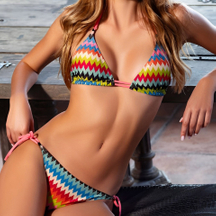
● Nylon-spandex: soft and fashion-friendly
● Polyester-spandex: durable for pool use
● PBT and high-performance polyester
● Recycled fibers
● Fabric comparison
● For swimming
● For surfing
● For beach holidays
● Bust support
● Bottom coverage
● Inclusive sizing
● During sample development
● During production
● Step 1: Define the product purpose
● Step 2: Select the performance targets
● Step 3: Create the technical package
● Step 4: Develop the first sample
● Step 5: Conduct movement testing
● Step 6: Complete testing and revisions
● Step 7: Confirm production quality
● Call to action
● 1. What is the best fabric for performance swimwear?
● 2. What type of swimwear is best for surfing?
● 3. How can a brand make a UPF swimwear claim?
● 4. How do I prevent a swimsuit from becoming see-through?
● 5. Should swimwear have removable cups?
● 6. What is the difference between fashion and performance swimwear?
● 7. How can an OEM factory help with a swimwear collection?
Designing swimwear for swimming, surfing, and beach holidays is not simply a matter of choosing an attractive color and fashionable silhouette. Each activity creates different demands on a garment. Lap swimming requires freedom of movement and low drag. Surfing requires secure coverage, abrasion resistance, and support. Beach holidays require comfort, UV protection, quick drying, and versatility.
At Dongguan Abely Fashion Co., Ltd., we work with overseas brands, wholesalers, and manufacturers on OEM swimwear development. From our industry experience, the strongest swimwear products begin with one question:
What will the wearer actually do in this garment?
A bikini designed for lounging may not remain secure during surfing. A fashion swimsuit may look beautiful but lose shape after repeated pool use. A product designed for all-day beach wear needs different coverage, lining, and sun-protection considerations.
This guide explains how to design swimwear that balances performance, comfort, durability, appearance, and commercial appeal.
1. Start With the Activity, Not the Silhouette
Before developing a pattern, define the product's primary use. A swimwear design brief should specify:
- Activity level: casual, moderate, or high intensity
- Environment: pool, ocean, surf, resort, or mixed use
- Coverage requirement: minimal, moderate, or full coverage
- Support level: light, medium, or high support
- Expected wear frequency: occasional holiday use or regular training
- Target customer: lifestyle, performance, modest, plus-size, or youth market
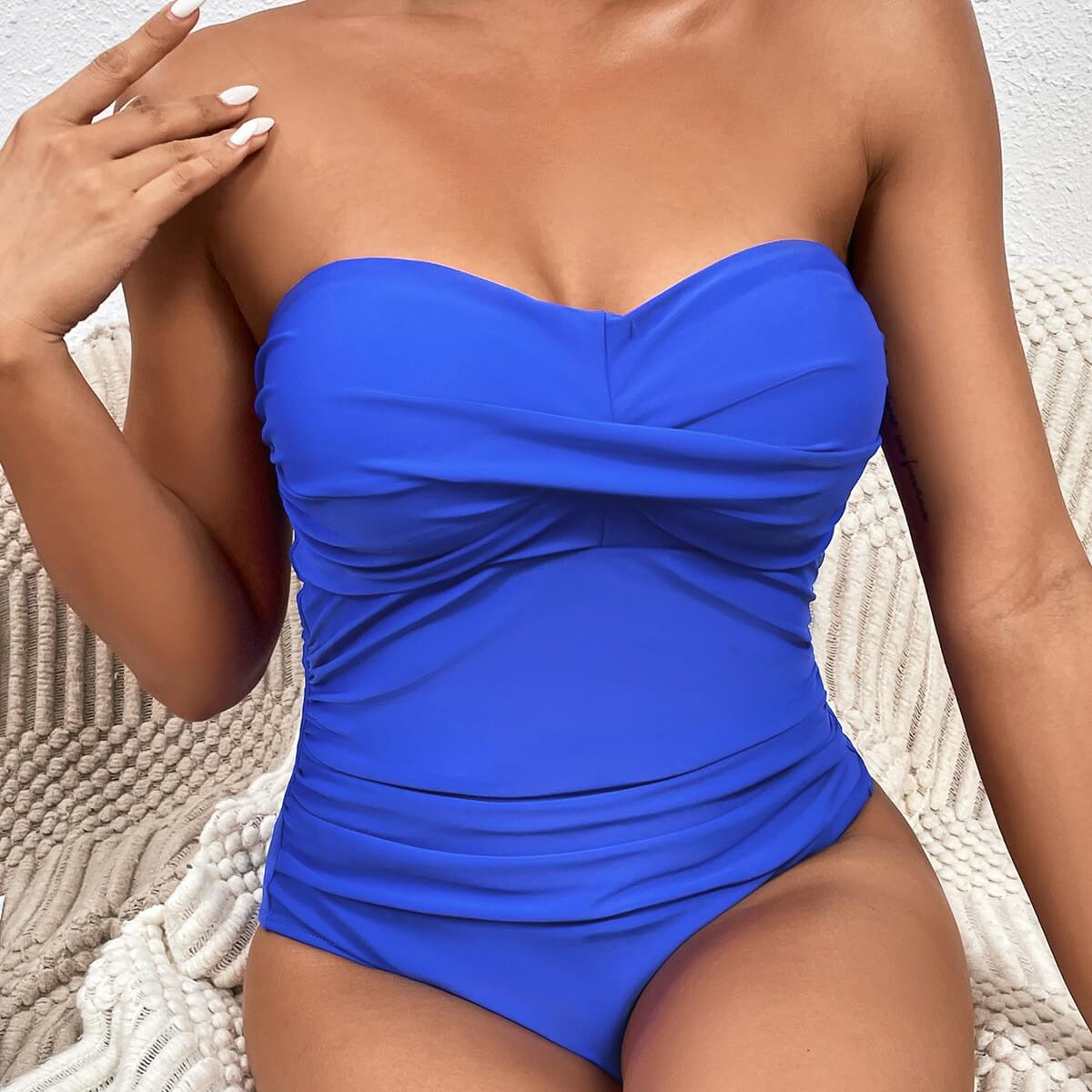
Swimwear requirements by activity
| Activity | Main design priorities | Suitable styles |
| Lap swimming | Secure fit, low drag, chlorine resistance, shape retention | Racerback one-piece, training bikini, swim brief, jammer |
| Surfing | Coverage, support, secure construction, abrasion resistance, sun protection | Rash guard, surf suit, long-sleeve one-piece, board shorts |
| Beach holidays | Comfort, styling, versatility, quick drying, UV coverage | Bikini, tankini, swim dress, cover-up set, high-waist bottom |
| Pool relaxation | Soft hand feel, flattering fit, color retention | Fashion bikini, one-piece, skirtini, shaping swimsuit |
| Water sports | Movement, secure straps, durable seams, functional details | Athletic bikini, swim shorts, crop top, long-sleeve suit |
The key principle is simple: design for the movement and conditions, not only for the product photograph.
2. Choose the Right Swimwear Fabric
Fabric selection determines much of a swimsuit's comfort, durability, appearance, and performance.
Nylon-spandex: soft and fashion-friendly
Nylon-spandex blends are popular for bikinis and fashion swimwear because they offer:
- Soft hand feel
- Excellent stretch
- Comfortable recovery
- Strong color appearance
- Good suitability for prints and fashion silhouettes
They are often a strong choice for bikinis, resort swimwear, and lifestyle collections. However, brands should not assume that every nylon-spandex fabric performs equally well in chlorine or prolonged sunlight. Testing is essential.
Polyester-spandex: durable for pool use
Polyester-based swimwear fabrics generally provide stronger resistance to chlorinated water and repeated pool exposure than many standard fashion fabrics. They are suitable for:
- Training swimsuits
- School and club swimwear
- Water aerobics
- Frequent pool use
- Performance-oriented collections
They can feel slightly different from soft nylon fabrics, so the final choice should reflect the customer's priorities.
PBT and high-performance polyester
For intensive swimming, some brands consider specialized polyester or PBT-based fabrics. These materials are valued for chlorine resistance, durability, and shape retention, especially in training and competitive applications. The correct performance claim should always be supported by supplier documentation and relevant testing rather than copied from a generic specification.
Recycled fibers
Recycled nylon and recycled polyester can help brands develop lower-impact product stories. However, "recycled" does not automatically mean sustainable in every respect.
A responsible product page should clarify:
- The recycled material used
- The percentage of recycled content
- Whether the content is certified
- The product's expected lifespan
- Care instructions that help reduce replacement frequency
Certifications such as Global Recycled Standard (GRS) may help verify recycled content and chain of custody. OEKO-TEX® STANDARD 100 addresses harmful substances in tested textile components. These certifications should be confirmed for the actual fabric and finished product.
Fabric comparison
| Fabric type | Strengths | Common applications |
| Nylon-spandex | Soft, flexible, vivid appearance | Bikinis, fashion swimwear |
| Polyester-spandex | Chlorine resistance, durability | Training and pool swimwear |
| PBT/polyester systems | High durability and shape retention | Intensive swimming |
| Recycled polyester or nylon | Lower-impact material option | Sustainable collections |
| Neoprene blends | Warmth, structure, protection | Surf and water-sports products |
Do not choose fabric based only on price. A cheaper fabric that bags out, fades, or loses elasticity can create returns, negative reviews, and damage to brand trust.
3. Engineer the Fit for Real Movement
A swimsuit can look perfect on a mannequin and still fail during wear. Fit testing must include movement, not only a static fitting.
For swimming
A performance swimsuit should remain stable during:
- Shoulder rotation
- Streamline position
- Repeated kicking
- Turning at the pool wall
- Diving or jumping into water
Useful details include:
- Secure shoulder straps
- Racerback or cross-back construction
- Moderate leg opening
- Stable lining
- Flat or carefully covered seams
- A close fit without excessive compression
A garment that is too loose creates drag and may shift. One that is too tight can restrict breathing, cause pressure marks, and discourage repeat use.
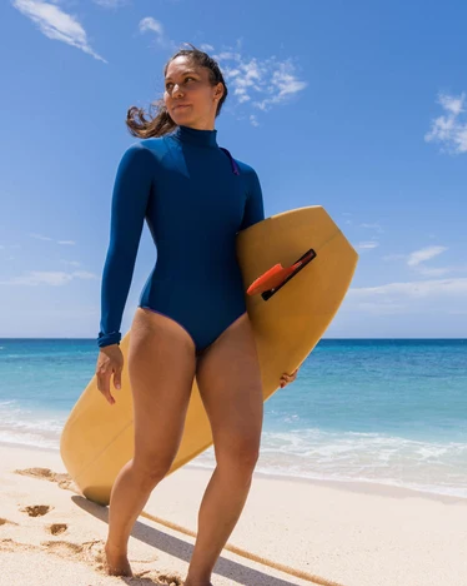
For surfing
Surfwear experiences more pulling, twisting, and friction. The design should consider:
- High neckline or secure front construction
- Longer body length
- Stable leg openings
- Rash-resistant seam placement
- Flatlock or soft seam finishing
- Secure waistbands and drawcords
- Layering with a rash guard or board shorts
For a bikini intended for surfing, adjustable ties alone may not provide enough security. Wider straps, stronger elastic, lining, and a supportive cup construction can improve confidence.
For beach holidays
Holiday swimwear must often transition between water, walking, dining, and lounging. This creates demand for:
- Comfortable all-day fit
- Fast-drying fabric
- Adjustable straps
- Removable cups
- Mix-and-match separates
- Coordinating cover-ups
- Flattering but functional coverage
A high-waisted bikini bottom, for example, may work well as both swimwear and resort styling when paired with a loose shirt or skirt.
4. Design Support and Coverage Around the Customer
"Sexy," "sporty," and "modest" are not sufficient technical descriptions. Convert them into construction decisions.
Bust support
Possible solutions include:
- Wide shoulder straps
- Internal elastic underbust bands
- Power mesh panels
- Molded or soft removable cups
- Adjustable back closures
- Higher necklines
- Cross-back support
Support should be tested in water because wet fabric behaves differently from dry fabric.
Bottom coverage
Brands should define coverage clearly:
- Minimal coverage
- Moderate coverage
- Full coverage
- Short or long leg line
- High-rise or low-rise waist
- Fixed or adjustable side construction
The right choice depends on the market, activity, age group, and brand positioning. A beach bikini and a surfing bikini may use similar fabric but require completely different bottom engineering.
Inclusive sizing
Inclusive design is not achieved by simply grading a small sample pattern upward. Brands should assess:
- Bust-to-waist proportions
- Torso length
- Rise and leg opening
- Strap placement
- Elastic width
- Cup construction
- Support at larger sizes
- Real customer movement
A proper fit session should include multiple body types and size ranges whenever possible.
5. Build in UV Protection, but Make Claims Carefully
Sun-protective swimwear is increasingly relevant for surfing, long beach days, children's swimwear, and outdoor recreation. UPF claims should be based on testing, not visual assumptions.
Coverage matters. A long-sleeve rash guard physically covers more skin than a string bikini, while a tightly knitted, dark fabric may perform differently from a light, stretched fabric. Stretching and wet conditions can influence coverage performance.
For products marketed with UPF protection:
1. Select an appropriate fabric construction.
2. Test the fabric and, where required, the finished garment.
3. Confirm the applicable market standard.
4. State the protection claim accurately.
5. Explain that exposed skin still requires sun protection.
Standards and labeling requirements vary by destination market. Brands should confirm requirements with qualified testing laboratories and local regulatory specialists.
6. Treat Construction Quality as a Selling Point
Customers may not describe stitch density or seam allowance in a review, but they will notice when a garment:
- Unravels
- Twists
- Digs into the skin
- Becomes transparent when wet
- Loses shape
- Fades quickly
- Has loose cups or unstable straps
Important quality-control checkpoints include:
During sample development
- Check front and back coverage.
- Test the garment on different body shapes.
- Perform stretch and recovery checks.
- Inspect lining opacity when wet.
- Test strap and tie security.
- Review print placement and color consistency.
During production
- Inspect seam strength.
- Check elastic insertion and tension.
- Confirm panel symmetry.
- Verify size measurements.
- Review needle marks, skipped stitches, and loose threads.
- Conduct colorfastness and dimensional stability tests where appropriate.
A beautiful design is not finished until it survives the customer's real environment.
7. Design for Care, Longevity, and Lower Returns
Swimwear is exposed to salt water, chlorine, sunscreen, sweat, heat, and friction. Even a high-quality swimsuit needs correct care.
Recommended care guidance includes:
- Rinse with clean, cool water after use.
- Avoid wringing the garment aggressively.
- Dry away from direct heat and prolonged harsh sunlight.
- Do not leave wet swimwear compressed in a bag.
- Follow the garment's care label.
- Avoid contact with rough surfaces.
From a product-development perspective, care information should be considered before launch. A garment that requires unrealistic maintenance may receive poor reviews even if its fabric specification is technically strong.
Brands can also reduce customer dissatisfaction by explaining that chlorine resistance is not the same as complete chemical immunity, and that all elastane-containing products can be affected by repeated exposure over time.
8. A Practical Swimwear Development Workflow
A clear development process helps control cost and improve the final product.
Step 1: Define the product purpose
Write one sentence describing the customer, activity, climate, and expected use.
Step 2: Select the performance targets
Decide the required level of:
- Stretch and recovery
- Chlorine resistance
- UV protection
- Drying speed
- Coverage
- Support
- Abrasion resistance
Step 3: Create the technical package
Include:
- Flat sketches
- Measurement chart
- Construction details
- Fabric composition
- Color references
- Trim and accessory specifications
- Labeling requirements
- Packaging instructions
Step 4: Develop the first sample
Assess appearance, fit, comfort, and construction. Do not approve a sample based only on photographs.
Step 5: Conduct movement testing
Test swimming strokes, reaching, bending, sitting, surfing movements, and dry-to-wet transitions according to the product's intended use.
Step 6: Complete testing and revisions
Use appropriate laboratory testing for colorfastness, fabric performance, harmful substances, UV claims, and other market-specific requirements.
Step 7: Confirm production quality
Approve a pre-production sample and define inspection standards before bulk manufacturing begins.
9. How OEM Swimwear Manufacturing Adds Value
An experienced OEM partner can support more than cut-and-sew production. A strong development partner should help with:
- Fabric and lining selection
- Pattern adjustment
- Size grading
- Custom printing
- Bikini and one-piece development
- Swim shorts and board shorts
- Rash guards and surfwear
- Thongs and fashion swim bottoms
- Packaging and labeling
- Sampling and bulk production
- Quality-control coordination
At Dongguan Abely Fashion Co., Ltd., our role is to help brands transform a concept into a manufacturable product. The most efficient projects usually begin with a clear brief, realistic target price, confirmed market, and honest discussion about the balance between fashion, performance, and durability.
Call to action
Are you developing a new bikini, one-piece swimsuit, surf suit, rash guard, swim short, or custom beachwear collection?
Send us your design sketches, reference images, target fabric, size range, and estimated order quantity. Our team can help you review the construction, recommend suitable materials, develop samples, and plan OEM production for your market.
Contact Dongguan Abely Fashion Co., Ltd. to discuss your next swimwear project.
Frequently Asked Questions
1. What is the best fabric for performance swimwear?
There is no single best fabric. Polyester-spandex or specialized polyester systems are often suitable for frequent pool use, while nylon-spandex is popular for soft, flexible fashion swimwear. The correct choice depends on chlorine exposure, hand feel, stretch, price, and design requirements.
2. What type of swimwear is best for surfing?
A secure one-piece, surf suit, rash guard, or supportive bikini with board shorts is generally more suitable than a loosely tied fashion bikini. Look for stable coverage, secure straps, comfortable seams, and abrasion-resistant construction.
3. How can a brand make a UPF swimwear claim?
The fabric or finished garment should be evaluated through appropriate laboratory testing and applicable regional standards. A brand should not claim UPF 50+ simply because the fabric is dark or thick.
4. How do I prevent a swimsuit from becoming see-through?
Use suitable lining, sufficient fabric weight, correct construction, and wet testing. White and light-colored swimwear requires special attention, particularly around the bust, gusset, and high-stretch areas.
5. Should swimwear have removable cups?
Removable cups provide flexibility and can simplify fit preferences. However, they need a secure pocket and suitable shape. For high-support products, fixed cups or internal support structures may offer greater stability.
6. What is the difference between fashion and performance swimwear?
Fashion swimwear prioritizes styling, color, silhouette, and resort appeal. Performance swimwear places greater emphasis on secure fit, movement, durability, drag reduction, chlorine resistance, and recovery. Some successful collections combine both.
7. How can an OEM factory help with a swimwear collection?
An OEM factory can assist with fabric sourcing, pattern development, sampling, grading, printing, construction, quality control, packaging, and bulk production. Early technical communication helps avoid costly revisions later.
References
1. [OEKO-TEX® STANDARD 100 – Product safety and harmful-substance testing]
2. [Global Recycled Standard – Textile Exchange]
3. [ASTM International – Textile and apparel standards]
4. [AATCC – Textile testing and evaluation methods]
5. [L.L.Bean – Swimwear for lap swimming examples]
6. [UPF and sun-protective clothing information – Skin Cancer Foundation]
7. [Textile Exchange – Preferred Fiber and Materials Market Report]
8. [Dongguan Abely Fashion Co., Ltd. – Company information supplied in the original brief](#)
Editorial note: Product examples and customer-facing feature patterns were used as market references. Specific performance claims should be validated through current fabric documentation and third-party testing before publication or labeling.