Content Menu
● Quick Answer: Nylon or Polyester Swimwear?
● Nylon Swimwear: Soft, Stretchy, and Fashion-Focused
● Polyester Swimwear: Durable, Colorfast, and Performance-Oriented
● 1. Comfort and Skin Feel
● 2. Stretch and Recovery
● 3. Chlorine Resistance
● 4. UV and Sunlight Performance
● 5. Drying Speed and Water Absorption
● 6. Color, Printing, and Appearance
● Step 1: Define the Customer's Real Environment
● Step 2: Select the Base Fiber
● Step 3: Confirm Fabric Construction
● Step 4: Test the Finished Garment
● Step 5: Match the Care Label to the Product
● Image 1: Fiber Comparison
● Image 2: End-Use Decision Guide
● Chart: Performance Radar
● Video Recommendation
● Is nylon or polyester better for swimwear?
● Is nylon swimwear good for swimming pools?
● Which fabric is better for bikinis?
● Does polyester swimwear dry faster than nylon?
● Which fabric is better for sublimation printing?
● What is the best fabric for chlorine-resistant swimwear?
● Are recycled nylon and recycled polyester suitable for swimwear?
● How can customers make swimwear last longer?
Short answer: Nylon is usually better for soft, fashionable, body-hugging swimwear, while polyester is generally better for chlorine resistance, colorfastness, and frequent pool use. For most commercial swimwear, however, the best result comes from choosing the right fiber blend, fabric construction, elastane percentage, and finishing process—not simply choosing nylon or polyester.
At Dongguan Abely Fashion Co., Ltd., we work with overseas brands, wholesalers, and apparel producers on OEM swimwear, bikinis, pants, and thongs. In our experience, fabric selection should begin with the customer's real use case: beach fashion, resortwear, regular swimming, competitive training, or printed commercial collections.
Quick Answer: Nylon or Polyester Swimwear?
| Requirement | Better Choice | Why |
| Soft hand feel | Nylon | Smooth, comfortable, and skin-friendly |
| Body-hugging fashion bikini | Nylon–spandex | Excellent stretch and elegant drape |
| Daily pool training | Polyester–spandex or polyester/PBT | Better chlorine resistance |
| Long-lasting color | Polyester | Strong color retention and UV stability |
| Fast drying | Polyester | Absorbs less moisture |
| Luxury beachwear | Nylon–spandex | Premium touch and flattering fit |
| Competitive swimwear | Polyester/PBT | High durability and shape retention |
| Recycled-fiber collection | Recycled nylon or recycled polyester | Both can support sustainability positioning when properly certified |
The best swimwear fabric is the one that matches the product's performance requirements and target customer.
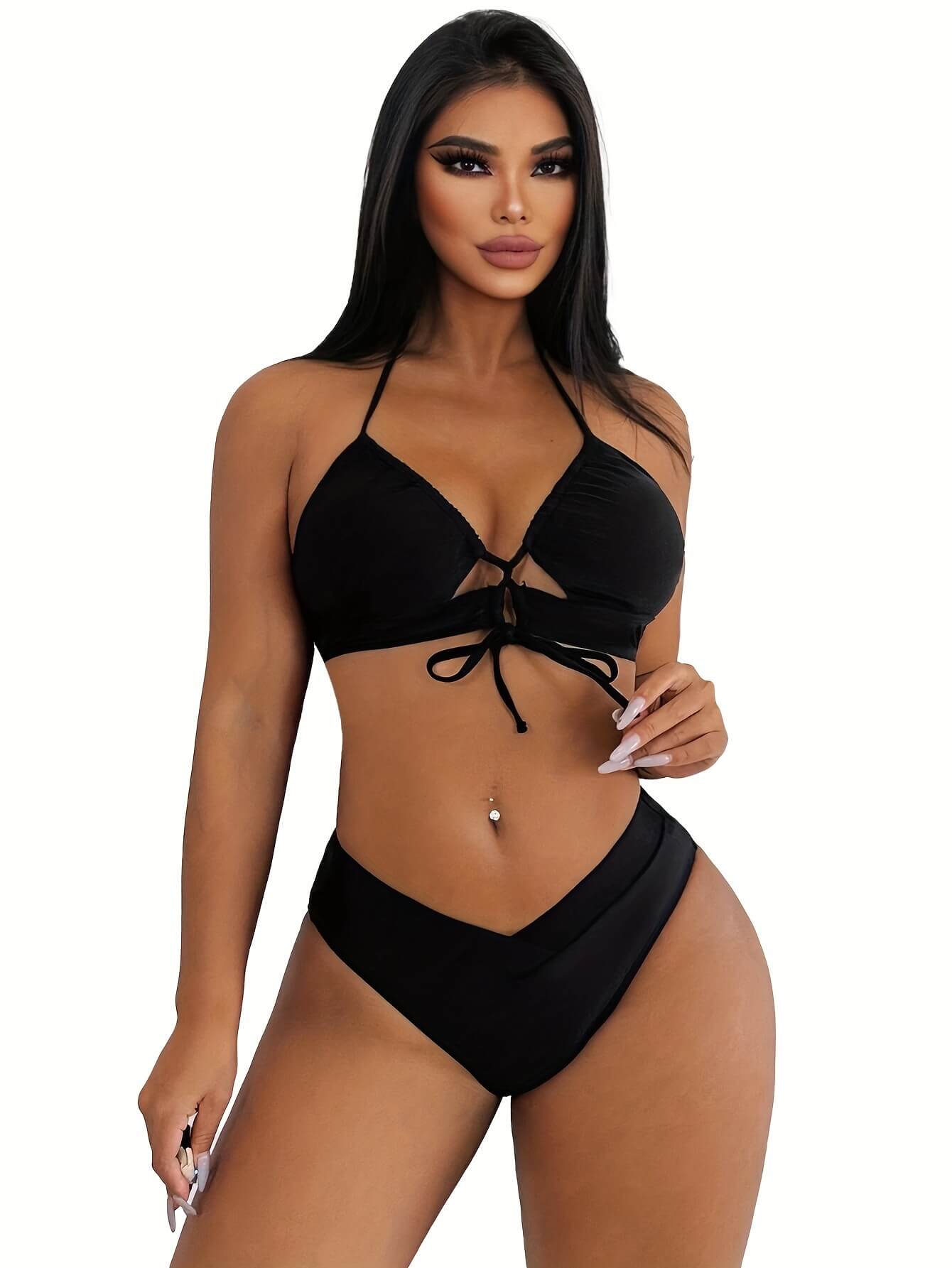
What Is the Difference Between Nylon and Polyester Swimwear?
Nylon Swimwear: Soft, Stretchy, and Fashion-Focused
Nylon, also called polyamide, is widely used in fashion swimwear because it feels smooth and comfortable against the skin. When combined with elastane or spandex, it creates the soft, flexible fit that many customers expect from bikinis, one-piece swimsuits, thongs, and resortwear.
Key advantages include:
- Soft and smooth hand feel
- Excellent stretch and recovery
- Good drape for body-contouring silhouettes
- Comfortable fit for extended wear
- Strong color depth and a premium appearance
- Suitable for fashion prints and seamless-looking designs
Nylon–spandex fabrics are particularly popular for minimal bikinis, high-cut bottoms, sculpting swimwear, and luxury beach collections.
However, nylon is not automatically the best choice for frequent chlorinated-pool use. Repeated exposure to chlorine can gradually weaken nylon and the elastane in the fabric, especially when the garment is exposed to chemicals, heat, sunscreen, and strong sunlight at the same time. Nylon is also more absorbent than polyester, so it may feel heavier when wet and can take longer to dry. [szoneierfabrics]
Polyester Swimwear: Durable, Colorfast, and Performance-Oriented
Polyester is valued for its durability, chlorine resistance, lower moisture absorption, and color retention. These properties make it a strong option for training swimwear, active swimwear, school teams, water parks, and everyday pool use.
Advantages include:
- Better resistance to chlorine than standard nylon
- Good resistance to fading from sunlight
- Fast drying
- Reliable shape retention
- Strong performance in large-volume production
- Excellent compatibility with sublimation printing
Polyester may feel slightly less silky than nylon, but modern knitting, brushing, finishing, and blending technologies can significantly improve its softness and comfort.
For high-frequency pool use, polyester–spandex is often a practical compromise. For intensive training and competitive use, polyester/PBT blends can provide even higher chlorine resistance and long-term durability. [spandexbyyard]
Nylon vs. Polyester Swimwear: Detailed Comparison
1. Comfort and Skin Feel
Nylon generally wins for comfort.
Nylon fibers create a smooth surface and a soft hand feel. This is important for close-fitting products where fabric touches sensitive areas of the body. For fashion brands, comfort can influence product reviews, repeat purchases, and return rates.
Polyester has improved considerably, but some standard polyester fabrics may feel firmer or slightly drier. A high-quality knit structure and appropriate finishing treatment can make a major difference.
Best choice: Nylon–spandex for luxury and fashion swimwear.
2. Stretch and Recovery
The stretch of a swimsuit depends on both the base fiber and the elastane content. A fabric's knit structure, GSM, pattern placement, and garment construction also affect how it performs.
Nylon–spandex is often selected for:
- High-cut bikini bottoms
- Body-contouring one-pieces
- Strappy swimwear
- Fashion thongs
- Sculpting and shaping styles
Polyester–spandex can also offer excellent stretch, especially when made with performance-grade elastane. However, polyester/PBT fabrics may provide a firmer, more stable fit rather than the extremely soft stretch associated with fashion nylon.
Best choice: Nylon–spandex for maximum softness; polyester–spandex for balanced stretch and durability.
3. Chlorine Resistance
Polyester generally performs better in chlorinated pools.
Chlorine is a repeated chemical stress. Over time, it can contribute to:
- Fading
- Loss of elasticity
- Fabric thinning
- Reduced shape recovery
- Deterioration of seams and trims
Polyester is more chemically stable than standard nylon in this environment. Polyester/PBT is especially suitable for swimmers who train frequently or use public pools every day. Nylon can still be used successfully, but it is usually better suited to occasional swimming, beachwear, and fashion-led collections.
Best choice: Polyester/PBT for intensive pool exposure; polyester–spandex for regular pool use.
4. UV and Sunlight Performance
Polyester generally offers stronger inherent resistance to UV exposure than untreated nylon. Nevertheless, UV protection is not determined by fiber alone.
The final performance also depends on:
- Fabric weight
- Knit density
- Color
- Dye and finishing system
- Garment stretch
- UV-protective treatment
A fabric stretched tightly over the body can transmit more light because the structure becomes thinner. Therefore, brands should not claim a specific UPF rating without testing the finished fabric or garment.
Best choice: Polyester for a stronger baseline; test the finished product before making UPF claims. [spandexbyyard]
5. Drying Speed and Water Absorption
Polyester absorbs less moisture than nylon, so polyester swimwear normally feels lighter after swimming and dries more quickly.
Nylon's higher moisture absorption is not necessarily a disadvantage in fashion swimwear. Some customers associate its softer, more comfortable feel with a premium product experience. However, quick drying is valuable for:
- Travel swimwear
- Active swimwear
- Pool uniforms
- Water sports
- Multi-use resort collections
Best choice: Polyester for quick drying; nylon for comfort and touch.
6. Color, Printing, and Appearance
Polyester is highly suitable for sublimation printing, particularly for vivid all-over designs, team swimwear, and large commercial collections.
Nylon can produce rich colors and a smooth, premium appearance, but printing methods and dye compatibility must be selected carefully. Brands should approve a physical strike-off because the same artwork can look different on nylon and polyester.
Best choice: Polyester for high-volume sublimation; nylon for premium tactile fashion and selected print methods.
Recommended Blend Ratios for Different Swimwear Products
There is no universal "perfect" blend ratio. The right specification depends on the garment's intended use, desired compression, coverage, and price point
| Product Type | Suggested Starting Point | Main Benefit |
| Fashion bikini | 80% nylon / 20% spandex | Softness and high stretch |
| Premium one-piece | 78–82% nylon / 18–22% spandex | Body-hugging comfort |
| Everyday active swimwear | 82–88% polyester / 12–18% spandex | Durability and recovery |
| Training swimsuit | Polyester/PBT blend | High chlorine resistance |
| Lightweight printed swimwear | 80–90% polyester / 10–20% spandex | Color and production efficiency |
These are development starting points, not universal standards. A professional factory should test fabric weight, stretch, recovery, opacity, colorfastness, chlorine resistance, and seam performance before bulk production.
A Practical Fabric-Selection Process for Swimwear Brands
Step 1: Define the Customer's Real Environment
Ask:
1. Will the customer mostly swim in the ocean, resort pool, or chlorinated pool?
2. Will the product be worn occasionally or several times per week?
3. Is the priority fashion appearance, comfort, or long-term performance?
4. Does the collection require sublimation, digital printing, or solid colors?
5. Is the product intended for adults, children, athletes, or water-sports users?
Step 2: Select the Base Fiber
- Choose nylon for softness, flexibility, and premium fashion appeal.
- Choose polyester for durability, color stability, and pool performance.
- Consider polyester/PBT for intensive chlorine exposure.
Step 3: Confirm Fabric Construction
Do not evaluate fiber content alone. Request information on:
- GSM
- Width
- Four-way stretch
- Stretch recovery
- Opacity when wet
- Lining compatibility
- Pilling resistance
- Colorfastness
- Chlorine and saltwater performance
Step 4: Test the Finished Garment
A fabric may perform well as a swatch but behave differently after cutting, sewing, lining, and stretching. Test:
- Fit after repeated wear
- Seam strength
- Elastic recovery
- Color after washing
- Fabric appearance when wet
- Coverage in strong light
- Resistance to sunscreen and body oils
Step 5: Match the Care Label to the Product
Recommend that customers:
- Rinse swimwear with clean water after use.
- Avoid leaving it wet in a closed bag.
- Do not use bleach or harsh detergents.
- Avoid tumble drying and high heat.
- Dry it away from direct, prolonged sunlight.
- Rotate between multiple swimsuits for frequent pool use.
Proper care cannot make nylon equal to polyester in chlorine resistance, but it can extend the usable life of either fabric.
New Industry Insight: Evaluate Total Product Life, Not Fabric Price
A lower fabric price does not always create a lower-cost product.
For a brand, the real cost can include:
- Customer returns
- Color-fading complaints
- Loss of elasticity
- Replacement orders
- Negative reviews
- Missed delivery schedules
- Fabric waste during production
For a premium bikini brand, the soft hand feel of nylon may create stronger customer satisfaction and justify a higher retail price. For a swim-school or athletic brand, polyester may reduce replacement frequency and protect the product's performance reputation.
The best sourcing decision is based on total product life and customer expectations—not only the cost per kilogram of fabric.
This is why our OEM development process at Dongguan Abely Fashion Co., Ltd. should begin with the product brief, target market, expected usage, and required testing standards.
Sustainability: Recycled Nylon or Recycled Polyester?
Both recycled nylon and recycled polyester can support a more responsible product strategy, but sustainability claims should be specific and verifiable.
Possible options include:
- Recycled nylon, often selected for premium fashion swimwear.
- Recycled polyester, frequently used in performance and printed collections.
- Certified recycled content, supported by recognized certification systems.
- Longer-lasting designs, which can reduce replacement frequency.
- More efficient sampling and production, helping reduce material waste.
A recycled fiber is not automatically a complete sustainability solution. Brands should also consider:
- Fiber origin
- Certification
- Dyeing and finishing
- Packaging
- Product durability
- End-of-life options
- Supply-chain transparency
The strongest sustainability message is usually a combination of verified material content, durable construction, responsible production, and honest communication.
Visual Content Recommendations for Better UX
Image 1: Fiber Comparison
Placement: After the opening comparison table.
AI image prompt:
"Editorial textile photography showing smooth navy nylon-spandex swimwear fabric beside matte blue polyester-spandex fabric, visible knitted textures, professional studio lighting, clean neutral background, premium fashion manufacturing style, no text, no logos."
Image 2: End-Use Decision Guide
Placement: Before the blend-ratio table.
AI image prompt:
"Split-scene editorial image comparing a fashion bikini at a sunny beach resort with a performance swimsuit in an indoor swimming pool, visual contrast between luxury fashion and athletic training, realistic commercial photography, no text, no logos."
Chart: Performance Radar
Placement: In the detailed comparison section.
Create a radar chart comparing comfort, chlorine resistance, UV stability, stretch, drying speed, and print suitability. Use a clearly labeled methodology note stating that scores are general development guidance, not laboratory test results.
Video Recommendation
Add a short factory video showing:
1. Fabric inspection
2. Stretch and recovery testing
3. Color checking
4. Pattern cutting
5. Sewing and final quality inspection
This supports Experience and Trust better than stock photography alone.
FAQ: Nylon and Polyester Swimwear
Is nylon or polyester better for swimwear?
Nylon is better for softness and fashion fit, while polyester is better for chlorine resistance, durability, and frequent pool use. The best option depends on the product's intended environment.
Is nylon swimwear good for swimming pools?
Yes, nylon swimwear can be used in pools, especially for occasional swimming. For daily or intensive chlorine exposure, polyester–spandex or polyester/PBT is generally a safer long-term choice.
Which fabric is better for bikinis?
For most fashion bikinis, nylon–spandex offers a soft hand feel, flattering stretch, and premium appearance. Brands targeting active customers may prefer polyester–spandex.
Does polyester swimwear dry faster than nylon?
Usually, yes. Polyester absorbs less moisture, so it normally dries faster and remains lighter after swimming.
Which fabric is better for sublimation printing?
Polyester is usually the preferred choice for sublimation printing, especially for vivid all-over prints and large collections. Always approve a physical sample before production.
What is the best fabric for chlorine-resistant swimwear?
Polyester/PBT is one of the strongest choices for chlorine resistance. Polyester–spandex is also suitable when the garment requires more stretch and a closer fashion fit.
Are recycled nylon and recycled polyester suitable for swimwear?
Yes. Both can be used in swimwear, provided the fabric meets the required standards for stretch, recovery, opacity, colorfastness, and durability. Brands should verify recycled-content claims through appropriate documentation.
How can customers make swimwear last longer?
They should rinse it immediately after swimming, avoid bleach and high heat, dry it properly, and avoid storing it wet. Frequent swimmers should rotate several suits.
Conclusion: Which Swimwear Fabric Should You Choose?
There is no single winner in the nylon-versus-polyester debate.
- Choose nylon–spandex for soft, flexible, premium fashion swimwear.
- Choose polyester–spandex for active swimwear and regular pool use.
- Choose polyester/PBT for intensive training and maximum chlorine resistance.
- Choose recycled nylon or recycled polyester when sustainability is part of a verified product strategy.
The most reliable approach is to match fiber, blend ratio, fabric construction, finishing, garment design, and testing to the customer's actual needs.
Developing a new bikini, swimsuit, pants, or thong collection? Contact Dongguan Abely Fashion Co., Ltd. for OEM fabric recommendations, sampling, customization, and production support. Request a fabric swatch and development consultation before placing your bulk order.
References
1. [Szoneier Fabrics: Spandex for Swimwear—Chlorine Resistance and UV Protection] — General comparison of nylon–spandex and polyester–spandex performance.
2. [Spandex by Yard: Swimwear Fabrics Explained—Chlorine Resistance, UV Protection and Recovery] — Discussion of polyester/PBT, polyester–spandex, nylon–spandex, and stretch-related UV considerations.
3. [SunDive Apparel: Nylon vs. Polyester Swimwear] — Industry-oriented comparison of fashion and performance swimwear applications.
4. [Yitai Fabrics: Polyester Swimwear Fabric Guide] — Blend examples, durability, chlorine resistance, and care guidance.
5. [Lefty Production Co.: Choosing Materials for Durable and Chlorine-Resistant Swimwear] — Practical discussion of swimwear construction, chlorine exposure, PBT, lining, and stretch.
Editorial note: Fabric performance varies by yarn quality, knit construction, elastane type, dyeing, finishing, garment design, and care. Product-specific claims should be verified through laboratory or supplier testing before publication.
Nylon vs. polyester swimwear: discover which fabric is best for bikinis, one-piece swimsuits, activewear, chlorine resistance, comfort, stretch, drying speed, printing, and sustainability. Learn how OEM swimwear brands can choose the right blend for every market.