Content Menu
● Main features of swimwear
● Main features of beachwear
● Swimwear fabrics
● Beachwear fabrics
● Swimwear fit
● Beachwear fit
● Core swimwear
● Supporting beachwear
● Coordinated accessories
● Mistake 1: Assuming every beach garment can enter the water
● Mistake 2: Choosing style over stability
● Mistake 3: Ignoring wet-state testing
● Mistake 4: Using unsupported technical claims
● Mistake 5: Treating size as a simple measurement issue
● What is the main difference between swimwear and beachwear?
● Can beachwear be used for swimming?
● Is a bikini considered swimwear or beachwear?
● What fabric is best for swimwear?
● What fabric is suitable for beachwear?
● Should beachwear have lining?
● Can one brand sell swimwear and beachwear together?
The terms swimwear and beachwear are often used interchangeably, but they describe two different categories of clothing. Swimwear is primarily designed for entering the water, while beachwear is created for wearing around the beach, pool, resort, or other sunny outdoor environments.
For fashion brands, retailers, wholesalers, and private-label businesses, understanding this difference is essential when developing a product collection. The choice affects fabric performance, garment construction, sizing, styling, production costs, and marketing language.
As a manufacturer specializing in bikinis, swimwear, shorts, and thongs, Dongguan Abely Fashion Co., Ltd. understands that customers increasingly expect beach clothing to be attractive, versatile, comfortable, and functional. However, a garment designed for walking along the beach may not perform well during swimming or water sports.
This guide explains the technical and commercial differences between swimwear and beachwear.
What Is Swimwear?
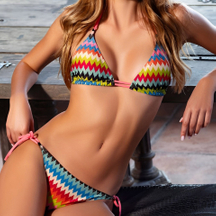
Swimwear refers to garments specifically designed for swimming or water-related activities. Common examples include:
- One-piece swimsuits
- Bikinis
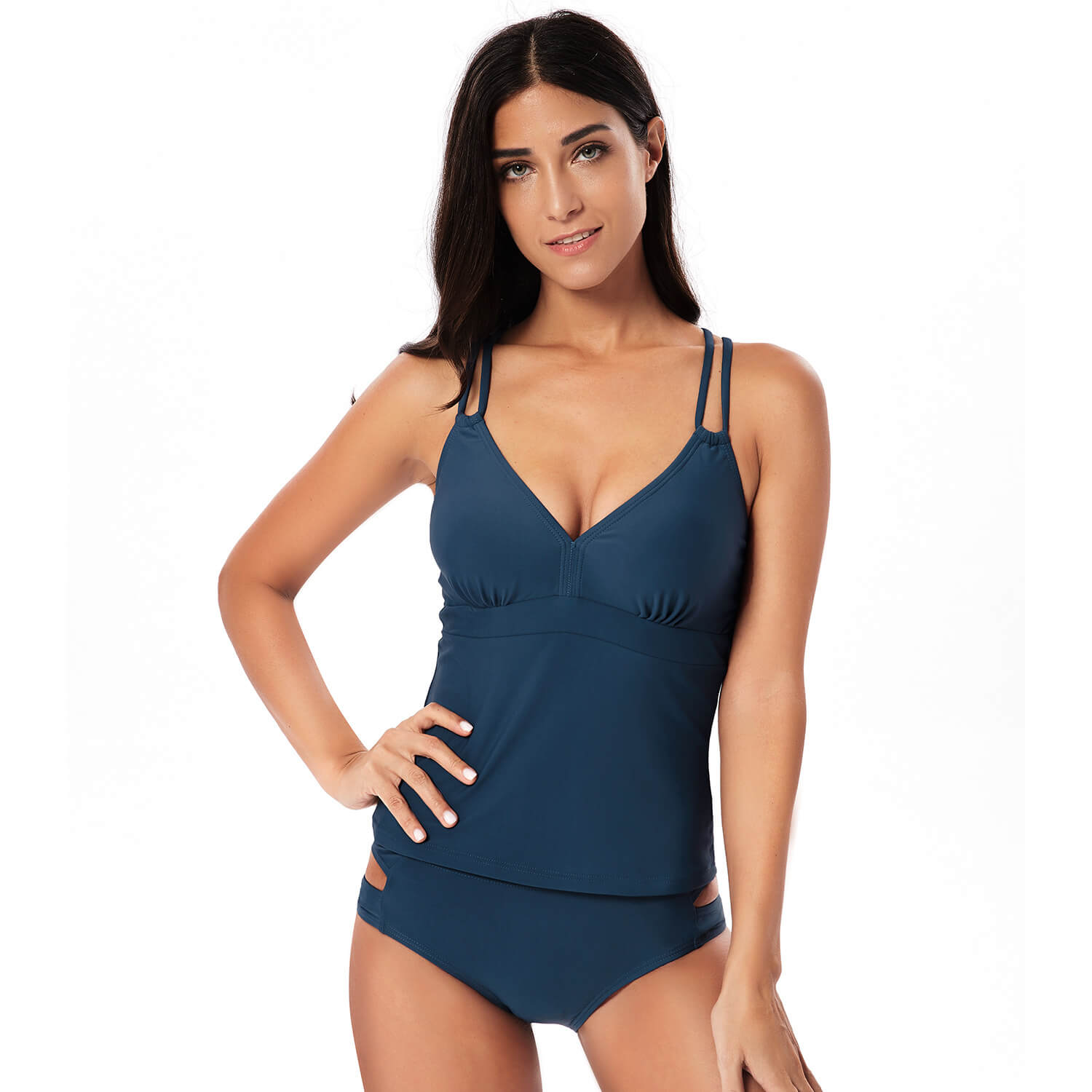
- Tankinis
- Swim briefs
- Board shorts
- Rash guards
- Swim dresses
- Performance swim tops
- Surfing and water-sports garments
The most important requirement of swimwear is that it must remain comfortable and stable when exposed to water and movement.
Main features of swimwear
Swimwear usually includes:
- Quick-drying fabric
- High stretch and recovery
- Water-resistant or low-absorption fibers
- Secure construction
- Lining or opacity control
- Elastic support
- Resistance to chlorine, salt water, and sunlight
- A close-to-body fit
The garment should not become excessively heavy, transparent, loose, or uncomfortable when wet.
What Is Beachwear?
Beachwear is clothing worn at or near the beach, swimming pool, resort, cruise, or summer holiday destination. It may be worn over swimwear or as a separate warm-weather outfit.
Common examples include:
- Cover-ups
- Beach dresses
- Sarongs
- Kaftans
- Beach skirts
- Linen shirts
- Crop tops
- Resort pants
- Casual shorts
- Wide-leg trousers
- Lightweight robes
- Beach jumpsuits
Beachwear is usually designed for walking, relaxing, dining, shopping, traveling, and social activities, rather than swimming.
Main features of beachwear
Beachwear often focuses on:
- Fashion appeal
- Loose and comfortable silhouettes
- Breathability
- Lightweight construction
- Easy layering
- Sun coverage
- Resort styling
- Versatility between beach and street environments
Unlike swimwear, beachwear does not always need to fit tightly or retain its shape in water.
---
## Swimwear vs. Beachwear: Key Differences
The clearest difference is the intended use. Swimwear is made to perform in water, while beachwear is mainly made to be worn around water.
| Feature | Swimwear | Beachwear |
| Main purpose | Swimming and water activities | Relaxing, walking, dining, and travel |
| Fit | Close-fitting and secure | Relaxed, loose, or flowing |
| Fabric | Stretch, quick-drying, water-resistant | Breathable, lightweight, and comfortable |
| Wet performance | Essential | Usually secondary |
| Support | Often important | Usually limited |
| Lining | Frequently required | Depends on the garment |
| Chlorine resistance | Important for pool use | Usually less important |
| UV coverage | May be included | Often a design feature |
| Construction | Elastic seams and secure closures | Fashion construction and decorative details |
| Styling | Functional and body-conscious | Layered, resort, and streetwear-inspired |
This distinction is especially important during product development. A beach dress made from delicate woven fabric may look beautiful but may become heavy, transparent, or difficult to dry if used in the water. Similarly, a technical swimsuit may be excellent for swimming but unsuitable for a restaurant or travel setting.
Fabric Differences Between Swimwear and Beachwear
Swimwear fabrics
Swimwear generally uses fabrics such as:
- Nylon and elastane
- Polyester and elastane
- Recycled polyester and elastane
- Specialized chlorine-resistant fabrics
- Double-layer stretch fabrics
These materials need to stretch with the body and recover their original shape after use. The blend also affects softness, durability, color performance, and drying speed.
Nylon and elastane offer a smooth hand feel and good comfort. Polyester and elastane are often chosen for their resistance to chlorine, sunlight, and repeated use. Recycled materials may help brands build a more sustainable product position, but they should still be tested for stretch recovery, colorfastness, opacity, and durability.
Beachwear fabrics
Beachwear may use:
- Cotton
- Linen
- Viscose
- Rayon
- Chiffon
- Mesh
- Crochet
- Polyester woven fabric
- Lightweight blends
These fabrics are selected mainly for their appearance, breathability, drape, softness, and ability to create a relaxed resort silhouette.
For example, linen provides a natural texture and breathable feel, while chiffon creates a light and transparent layering effect. Crochet adds a handmade aesthetic, but it may not provide enough coverage when wet.
A beachwear manufacturer must consider whether the customer will wear the garment directly over a wet swimsuit. If so, the fabric should resist excessive color transfer and should dry within a reasonable time.
Fit and Construction Differences
Swimwear fit
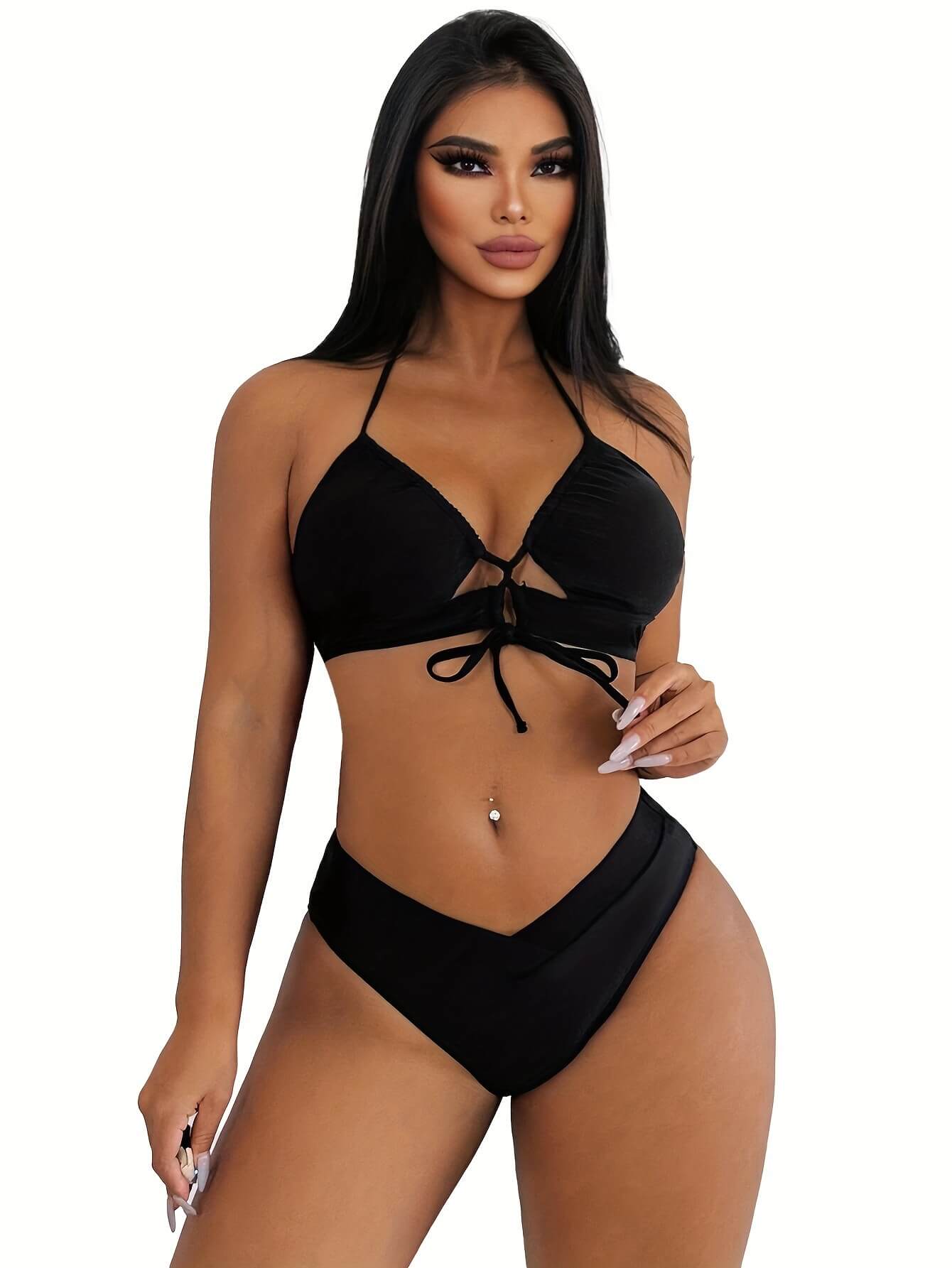
Swimwear generally uses a close fit because the garment must remain stable in water. Designers may use negative ease, meaning the finished garment is slightly smaller than the body measurement so the stretch fabric can hold the body securely.
Important swimwear details include:
- Underband width
- Shoulder-strap adjustment
- Cup shape
- Lining coverage
- Leg-opening elastic
- Waistband recovery
- Reinforcement at stress points
- Secure ties and closures
The wrong fit may cause the swimsuit to slide, ride up, dig into the skin, or become transparent when stretched.
Beachwear fit
Beachwear usually permits more ease. Loose sleeves, wide legs, flowing skirts, and relaxed waistlines are common. The design may prioritize movement, airflow, and styling rather than compression or support.
Important beachwear details include:
- Drape
- Garment length
- Sleeve volume
- Waist adjustability
- Layering compatibility
- Pocket construction
- Decorative trims
- Transparency control
Beachwear can be fitted, oversized, cropped, or flowing depending on the brand identity.
Performance in Water and Sunlight
Swimwear must be designed for exposure to:
- Chlorinated pool water
- Salt water
- Sweat
- Sunscreen
- Sunlight
- Repeated washing
- Body movement
A professional swimwear product should be evaluated for colorfastness, stretch recovery, seam durability, and wet opacity.
AATCC TM162 provides a test method for evaluating the resistance of dyed, printed, or otherwise colored textile yarns and fabrics to chlorinated pool water.
Beachwear may also be exposed to sunlight and sea air, but its water-performance requirements are usually lower. However, if a beachwear piece is marketed as a cover-up intended for use around pools or beaches, brands should still consider:
- Color bleeding
- Shrinkage
- Wet transparency
- Drying speed
- Salt and chlorine exposure
- Skin comfort
Brands should avoid claiming that a product is chlorine-resistant, UV-protective, or quick-drying unless the relevant materials or finished garments have been tested.
Can One Garment Be Both Swimwear and Beachwear?
Yes. Many modern products are designed to serve both purposes. Examples include:
- Swim dresses
- Tankinis
- Swim shorts
- Rash guards
- Matching bikini and cover-up sets
- Quick-drying resort shirts
- Convertible skirts
- Lightweight wrap dresses
These products are part of a growing demand for versatile resortwear. Customers want to travel with fewer garments and move easily from the beach to a café, hotel, pool bar, or shopping area.
For dual-purpose products, the design must balance both functions. A successful garment should:
- Dry relatively quickly
- Maintain shape when wet
- Provide appropriate coverage
- Look attractive outside the water
- Allow comfortable movement
- Work with other pieces in the collection
A wrap skirt may be perfect for walking around a resort but unsuitable for active swimming. A quick-drying swim short may work in the water and on the beach but may require a more polished top for restaurant use.
How Brands Should Build a Swimwear and Beachwear Collection
A balanced collection can include several product levels.
Core swimwear
These are the main water-performance products:
- Bikinis
- One-piece swimsuits
- Sport swim tops
- Swim shorts
- High-waisted bottoms
Supporting beachwear
These products extend the collection beyond the water:
- Cover-up dresses
- Sarongs
- Kaftans
- Oversized shirts
- Linen or viscose pants
- Beach shorts
- Resort skirts
Coordinated accessories
Brands can also add:
- Beach bags
- Headscarves
- Sun hats
- Lightweight robes
- Matching scrunchies
- Branded towels
Using coordinated colors and prints allows customers to build complete outfits. For example, a printed bikini can be matched with a solid-color cover-up, while a neutral swimsuit can be paired with a bright resort shirt.
Product Development Considerations for OEM Buyers
When working with a bikini OEM manufacturer or beachwear supplier, provide a clear product brief.
Your brief should include:
- Intended use
- Target customer
- Fabric preferences
- Size range
- Color and print requirements
- Coverage level
- Support requirements
- Lining details
- Packaging
- Target price
- Order quantity
- Delivery schedule
For swimwear, also confirm:
- Stretch percentage
- Elastic recovery
- Wet opacity
- Chlorine or salt-water testing
- Seam construction
- Hardware resistance
- Colorfastness
For beachwear, focus on:
- Fabric drape
- Breathability
- Shrinkage
- Garment length
- Transparency
- Embroidery or decorative details
- Easy-care requirements
A factory should help you identify whether a design is intended for water use, beach layering, or both.
Common Mistakes When Choosing Between Swimwear and Beachwear
Mistake 1: Assuming every beach garment can enter the water
Some fabrics become heavy, transparent, or damaged when wet. Always confirm the intended use.
Mistake 2: Choosing style over stability
A revealing bikini may look attractive but may not be suitable for swimming, surfing, or active movement.
Mistake 3: Ignoring wet-state testing
A garment can look perfect when dry but change significantly after immersion and stretching.
Mistake 4: Using unsupported technical claims
Do not describe ordinary beachwear as UPF-rated, chlorine-resistant, or quick-drying without evidence.
Mistake 5: Treating size as a simple measurement issue
Swimwear requires stretch, negative ease, body support, and movement testing. Beachwear requires balance between ease, drape, and comfort.
Why Choose Dongguan Abely Fashion Co., Ltd.?
Dongguan Abely Fashion Co., Ltd. specializes in bikinis, swimwear, shorts, and thongs for overseas brands, wholesalers, and production companies.
Our product-development perspective recognizes that swimwear and beachwear require different technical priorities. A bikini must remain secure in water, while beachwear must provide attractive styling, comfortable movement, and easy layering.
Our OEM support can include:
- Custom bikini development
- Swimwear pattern and sample support
- Fabric and trim coordination
- Private labeling
- Custom packaging
- Shorts and beachwear production
- Size and fit development
- Quality inspection
- Bulk order management
Frequently Asked Questions
What is the main difference between swimwear and beachwear?
Swimwear is designed for entering the water and must provide secure fit, stretch, quick drying, and wet-state performance. Beachwear is mainly designed for wearing around the beach, pool, resort, or summer environment.
Can beachwear be used for swimming?
Some quick-drying or specially designed beachwear can be used in water, but ordinary linen, cotton, crochet, and delicate woven garments may become heavy, transparent, or damaged when wet.
Is a bikini considered swimwear or beachwear?
A bikini is primarily swimwear. However, when styled with a shirt, skirt, pants, sarong, or cover-up, it can become part of a complete beachwear or resortwear outfit.
What fabric is best for swimwear?
Nylon-elastane is popular for softness and flexibility. Polyester-elastane is often selected for chlorine resistance and durability. The best fabric depends on the activity, target market, and required performance.
What fabric is suitable for beachwear?
Linen, cotton, viscose, rayon, chiffon, mesh, crochet, and lightweight woven blends are commonly used. The right choice depends on the desired drape, breathability, opacity, and styling effect.
Should beachwear have lining?
Lining depends on the fabric and design. Sheer, lightweight, or open-weave beachwear may need partial or full lining for comfort and coverage, while a thick opaque cover-up may not require it.
Can one brand sell swimwear and beachwear together?
Yes. Combining swimwear with coordinated beachwear creates a complete resort collection and gives customers more opportunities to wear the products beyond the water.
Conclusion
The difference between swimwear and beachwear is mainly related to purpose, fabric, fit, construction, and performance. Swimwear is engineered for water, movement, and wet conditions. Beachwear is designed for comfort, styling, sun coverage, layering, and resort-to-street versatility.
For brands, the best strategy is not to choose one category exclusively. A coordinated collection of bikinis, one-piece swimsuits, shorts, cover-ups, skirts, and resort pants can serve different customer needs and increase product value.
If you are developing a custom swimwear or beachwear collection, Dongguan Abely Fashion Co., Ltd. can support you from design communication and fabric selection to sampling, private labeling, quality control, and bulk production. Send your product ideas, reference images, tech pack, or target quantity to begin your next collection.
References
1. AATCC TM162 — Colorfastness to Water: Chlorinated Pool.
This test method evaluates the resistance of dyed, printed, or otherwise colored textile yarns and fabrics to chlorinated pool water.
[View the official AATCC TM162 information]
2. AATCC — Textile Testing and Standards.
AATCC provides textile testing methods and standards covering areas such as colorfastness, fiber analysis, UV protection, and physical fabric performance.
[View AATCC testing standards]
3. Dongguan Abely Fashion Co., Ltd. — Company Information.
Information about the company's bikini, swimwear, shorts, thong, OEM, and private-label capabilities is based on the business details supplied in the brief.