Content Menu
● How often should you replace a bikini?
● 7 signs your bikini may need replacing
● What shortens the lifespan of bikini swimwear?
>> Chlorinated pools and repeated swimming
>> Salt, sand, sunscreen, and friction
>> Washing, drying, and storage
● A simple post-swim care routine
● How to check bikini condition before a trip
● Does fading mean you must replace your bikini?
● Swimwear buyer and manufacturer perspective: what affects durability?
● Replace, repair, or keep wearing?
● Frequently asked questions
>> 1. How many seasons should a bikini last?
>> 2. Should I replace a bikini after one summer?
>> 3. Can I wear a swimsuit again without washing it?
>> 4. Is a stretched bikini still safe to wear?
>> 5. Does chlorine ruin every bikini?
>> 6. How can I make a bikini last longer?
● Image and visual content recommendations
● Conclusion: replace by condition, not by calendar
*A practical guide to bikini lifespan, signs of wear, and swimwear care*
Quick answer: There is no fixed replacement date for every bikini. A swimsuit you wear often in chlorinated pools may lose its fit and support faster than one worn occasionally on holiday. Replace it when it no longer fits securely, the fabric is thinning or persistently stretched, seams are failing, or it no longer provides the coverage and support you need.
This guide explains how often to replace a bikini swimsuit, what affects its lifespan, and how to care for swimwear so it stays comfortable and functional. From a swimwear product-development perspective, replacement is best judged by performance and condition—not by the calendar alone.
> Editorial note: No original article or customer-review text was included in the material provided, so this draft is based on the topic brief and available published guidance rather than quoting or summarizing specific reviews.
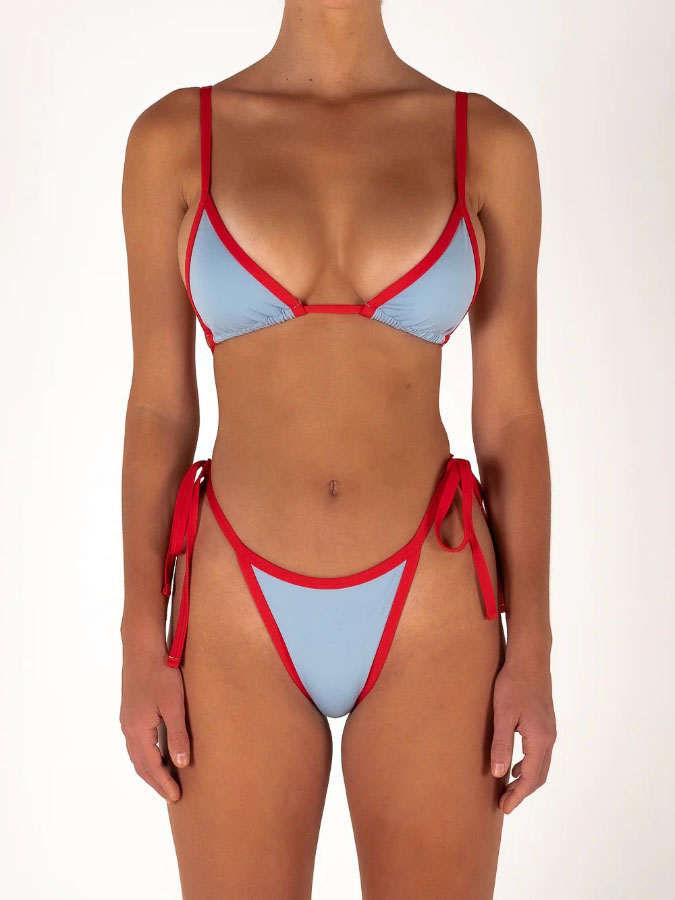
How often should you replace a bikini?
For occasional use, a well-made bikini may remain wearable across multiple seasons. For frequent swimming—especially in chlorinated pools—it may need replacing sooner. How often you wear it, how you care for it, and how the fabric performs matter more than a universal "one-season" rule.
A swimsuit may still look attractive but no longer do its job. It should fit securely, stay in place in the water, and provide the intended coverage and support. When those qualities are gone, replacement is sensible.
Use this practical guide:
| Your use pattern | What to expect |
| Occasional beach or holiday wear | Check the bikini before each season; replace when fit, fabric, or seams deteriorate. |
| Regular pool or ocean swimming | Inspect it more frequently, since repeated exposure and wear can affect performance. |
| Frequent lap swimming in chlorinated water | Keep an eye on stretch, lining, and seam condition; rotate suits if possible. |
| Resort, fashion, or photoshoot wear | Appearance may be the main concern, but fit and secure coverage still matter. |
These are inspection guidelines, not guaranteed lifespan estimates. Wear varies by fabric, construction, water conditions, and care. Some published commentary suggests a swimsuit may last around a summer season depending on how often it is worn, but that should not be treated as a rule for every bikini.
7 signs your bikini may need replacing
Look beyond fading. The clearest signal is whether the garment still fits and functions properly.
1. It no longer stays in place. The top shifts, the bottoms slide, or straps need constant readjustment while swimming.
2. The fabric has lost recovery. After stretching, it remains loose, baggy, or rippled instead of returning to shape.
3. The lining is worn or exposed. A thinning lining, visible damage, or fabric that has become unusually sheer can compromise coverage.
4. Seams are opening. Loose stitching, popped seams, or fraying edges can turn a small flaw into a failure during wear.
5. Elastic feels weak. Waistbands, leg openings, and straps should hold securely without cutting into the skin.
6. The suit has persistent damage. Snags, holes, or rough patches may worsen with continued use.
7. It no longer feels comfortable or secure. If the cut, support, or coverage no longer suits your activity, consider replacing it even if the fabric looks acceptable.
A single sign may not mean immediate replacement. But if several appear together—especially weak elastic, loose fit, and seam damage—the bikini is likely past its useful best.
What shortens the lifespan of bikini swimwear?
A bikini is exposed to more than water. Pool chemicals, salt, sunscreen, heat, friction, and repeated stretching can all contribute to wear. How much they matter depends on the fabric blend, construction, and how the suit is used.
Chlorinated pools and repeated swimming
Regular pool swimming creates repeated exposure to chlorinated water. For frequent swimmers, rotating between two or more suits can reduce how often any single bikini is worn and give it time to dry between uses. This is a practical care step—not a promise that rotation will produce a specific number of extra seasons.
Salt, sand, sunscreen, and friction
Salt and sand can remain in the fabric after a beach day, while sunscreen and body oils may leave residue. Sitting on rough pool edges, rocks, or textured surfaces can also snag or abrade fabric. Rinsing soon after swimming and avoiding rough surfaces are simple ways to limit avoidable stress.
Washing, drying, and storage
Care habits influence how a swimsuit ages. Rinse it after use, handle it gently, and let it air-dry away from excessive heat and direct sunlight. Avoid wringing the garment, which can stretch its shape. Follow the care label: fabric blends and garment finishes may have different requirements.
A simple post-swim care routine
Follow these steps after a swim:
1. Rinse promptly in cool or lukewarm fresh water to remove pool or seawater residue.
2. Wash gently according to the garment's care label; avoid harsh treatment.
3. Press out excess water carefully. Do not twist or wring the bikini.
4. Air-dry flat or hang it in a well-ventilated, shaded place.
5. Store it fully dry and away from rough items that could snag the fabric.
Rinsing swimwear after exposure to chlorinated or salt water is commonly recommended in practical care guidance. The exact washing method should still follow the product label.

How to check bikini condition before a trip
A quick inspection can prevent an uncomfortable surprise on holiday. Try this five-minute bikini check:
- Check the fit: Put on the top and bottoms and move as you would when swimming.
- Test the straps and band: They should feel secure and remain comfortable.
- Inspect the seams: Look for loose threads, popped stitches, or fraying.
- Check the fabric against light: Look for thinning, holes, or a change in opacity.
- Rinse and dry a test area if needed: If the suit has persistent odor, residue, or damage, assess whether it is still suitable to wear.
If the bikini is intended for active swimming, test it in a safe, private setting before relying on it for a full day in the water. A suit that only feels secure while standing still may not be the right choice for swimming.
Does fading mean you must replace your bikini?
Not necessarily. Color fading alone is mostly an appearance issue if the fabric remains strong, opaque, comfortable, and secure. But fading can appear alongside other signs of wear, so check the material and construction as well.
Replace the bikini if the fabric has become thin, the lining is compromised, or it no longer stays in place. If it still performs well, you may choose to keep wearing it for casual use or use it as a backup—provided it remains comfortable and offers appropriate coverage.
Swimwear buyer and manufacturer perspective: what affects durability?
From a product-development perspective, swimsuit durability is not determined by the fiber name alone. Fabric quality, elasticity, lining, stitching, pattern fit, and intended use all influence how a bikini performs.
When evaluating a bikini, consider:
- Intended activity: A fashion bikini and a suit designed for frequent lap swimming may have different priorities.
- Fit and recovery: The garment should stretch comfortably and return to shape without becoming loose.
- Seam construction: Clean, secure stitching helps the garment withstand movement and repeated use.
- Lining and coverage: The lining should suit the garment's cut and intended coverage.
- Care instructions: Clear, realistic care guidance helps customers maintain the product.
For brands and wholesale buyers, wear testing can provide useful product feedback. Test samples under the intended use conditions and record changes in fit, appearance, seam integrity, and customer comfort. Avoid promising a precise number of wears or seasons unless your own testing supports that claim.
Replace, repair, or keep wearing?
| Condition | Practical choice |
| A loose thread with otherwise sound construction | Repair may be possible; inspect the seam before wearing. |
| Mild fading, but secure fit and intact fabric | Keep wearing if appearance is acceptable. |
| Persistent slipping or stretched-out elastic | Replace for swimming, especially for active use. |
| Holes, thinning, or compromised lining | Replace; coverage may no longer be reliable. |
| Multiple signs of wear at once | Replacement is usually the safer, more comfortable option. |
A repair can extend the use of a bikini when the problem is limited and the rest of the garment remains sound. Do not rely on a repair if the fabric or elastic has broadly lost its strength.
Frequently asked questions
1. How many seasons should a bikini last?
There is no dependable universal number. Use frequency, care, and condition to decide. A bikini worn occasionally may remain usable longer than one used for frequent pool training.
2. Should I replace a bikini after one summer?
Not automatically. A one-season lifespan is sometimes suggested, but actual wear varies with use and care. Inspect the fit, fabric, elastic, and seams instead.
3. Can I wear a swimsuit again without washing it?
At minimum, rinse it after swimming and let it dry fully. For specific washing advice, follow the care label. Practical guidance recommends rinsing swimwear after chlorinated or saltwater use.
4. Is a stretched bikini still safe to wear?
If it slips, feels insecure, or no longer provides suitable coverage, replace it for swimming. A stretched garment may be fine for lounging only if it remains comfortable and secure.
5. Does chlorine ruin every bikini?
Not necessarily, but frequent pool use can be demanding on swimwear. The effect depends on the fabric, construction, exposure, and care. Rinse promptly and inspect the suit regularly.
6. How can I make a bikini last longer?
Rinse it after use, wash it gently according to the label, avoid wringing, air-dry it away from excessive heat, and rotate suits if you swim often.
Image and visual content recommendations
Suggested visual 1 — "Bikini replacement checklist" infographic: Place after the seven warning signs. Show a simple checklist with illustrations of loose straps, stretched fabric, thinning lining, and opening seams.
AI image prompt: *Create a clean, premium swimwear-care infographic for a women's swimwear brand. Show a bikini top and bottoms with four close-up callouts: stretched elastic, loose stitching, thinning fabric, and secure fit. Minimal white background, soft ocean-blue accents, editorial product photography, clear negative space for labels, no logos, no text.*
Suggested visual 2 — "Post-swim care steps" illustration: Place after the care routine. Use a five-step layout: rinse, gentle wash, press water out, shade-dry, store dry.
AI image prompt: *Create a refined five-panel swimwear care visual: rinsing a bikini with cool fresh water, gentle hand washing, pressing water out without twisting, air-drying in shade, and storing the dry garment. Bright natural light, realistic fabric texture, clean modern lifestyle aesthetic, no text, no logos.*
Suggested visual 3 — "Keep or replace?" decision chart: Place after the comparison table. Contrast minor fading with functional damage such as slipping fit, holes, and failing seams.
AI image prompt: *Design a simple editorial decision-chart illustration for bikini swimwear: left side shows a faded but intact swimsuit labeled visually as wearable; right side shows stretched fabric, a hole, and loose seams as replacement warning signs. Neutral background, tasteful swimwear product styling, accessible high contrast, no words or logos.*
Video: Not included, in keeping with the brief.
Conclusion: replace by condition, not by calendar
Replace a bikini when it stops fitting securely, loses fabric recovery, develops holes or seam failures, or no longer provides comfortable coverage. Rinse and dry it carefully after swimming, inspect it regularly, and consider rotating suits if you swim often. A condition-based decision is more useful than following a fixed replacement schedule.