Content Menu
● 1. Review the development sample
● 2. Check measurements consistently
● 3. Test the fit on the intended size range
● 4. Approve a reference sample
● 5. Confirm production details in writing
● 1. What information should I send when requesting a bikini OEM quote?
● 2. an I create private label bikinis with my own branding?
● 3. How do I choose fabric for a custom bikini?
● 4. How many samples should I expect before production?
● 5. What is the MOQ for private label swimwear?
● 6. Can one supplier make bikinis and other apparel?
● Suggested Visual Assets
● References
Private Label Bikini Swimwear Manufacturing: A Practical OEM Guide for Brands
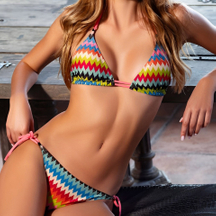
Launching a private label bikini swimwear collection takes more than choosing a print and adding a logo. Brands need a design that fits their customer, materials suited to the intended use, consistent sizing, and a manufacturing partner who can turn approved specifications into repeatable production. Dongguan Abely Fashion Co., Ltd. provides OEM services for overseas brands, wholesalers, and manufacturers seeking custom bikinis and related apparel.
This guide explains how to plan an OEM bikini swimwear order—from design brief and fabric selection to sampling, quality checks, and packaging. It is written for buyers who want to make informed decisions before requesting a quotation.
What Private Label Bikini Swimwear OEM Means
In an OEM arrangement, the buyer supplies or approves the product requirements, while the manufacturer makes the items to those specifications. A private label program may include the buyer's chosen styles, colors, prints, labels, and packaging, subject to the factory's confirmed capabilities.
For a swimwear brand, OEM production can be useful when you want to:
- Develop a recognizable collection around your own fit, colors, and design direction.
- Adapt established silhouettes instead of designing every component from scratch.
- Coordinate related products, such as bikinis, swimwear, shorts, and thongs, where the manufacturer supports them.
- Prepare products for wholesale or retail with agreed labels and packaging.
Abely's product pages describe custom swimwear manufacturing and a range of swimwear categories. Confirm the specific styles, materials, customization options, and order requirements directly with the company before placing an order.
Start with a Clear Bikini Product Brief
A clear brief reduces uncertainty during quoting and sampling. It also gives the factory a practical reference for development and production.
Include these details where available:
1. Target customer and use: For example, resort wear, poolside fashion, active swimming, or a youth collection.
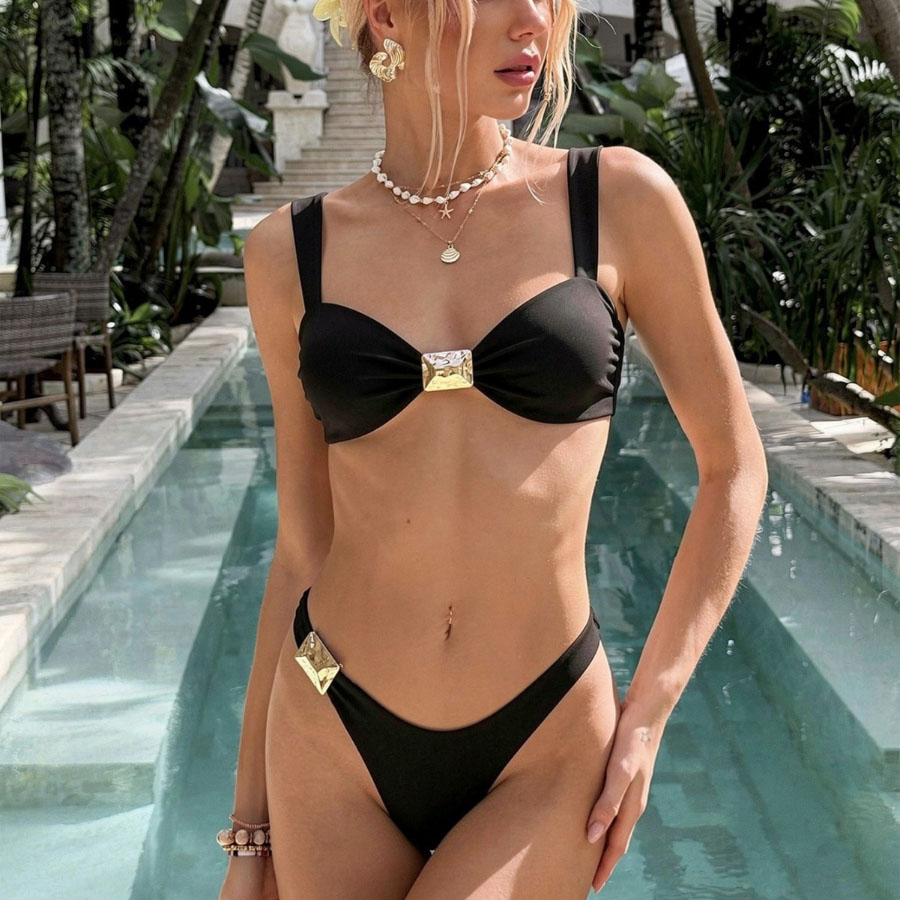
2. Product type: Triangle bikini, bandeau, high-waisted set, one-piece, swim shorts, or another defined silhouette.
3. Reference materials: Technical sketches, measurements, existing samples, fabric swatches, and placement artwork.
4. Fit and size range: Specify the markets and size labels you intend to sell, then agree on a measurement chart.
5. Fabric and construction preferences: State the desired hand feel, stretch, lining, support, and hardware.
6. Branding and packaging: Identify label locations, logo files, hangtags, and packaging requirements.
7. Order assumptions: Ask the factory to confirm available colors, sizes, minimum quantities, sample charges, and lead times.
Expert tip: Distinguish between what is essential and what is flexible. A fixed requirement might be a particular coverage level; a flexible preference might be the exact shade of a trim. This helps the factory suggest workable alternatives without diluting your product concept.
Choosing Fabric for the Intended Swimwear Use
Fabric selection affects comfort, appearance, fit, and how a product performs in use. Avoid choosing solely from a photograph: request material details and, when possible, evaluate a swatch or sample.
Discuss the following with your supplier:
- Fiber composition: Ask for the composition of the proposed fabric and lining.
- Stretch and recovery: Clarify how the material behaves when stretched and whether the finished garment is expected to return to shape.
- Opacity and lining: Check the fabric in the garment's intended colors and construction.
- Print and color: Confirm artwork scale, placement, and the process used to apply the design.
- Intended care: Agree on care-label wording based on the verified fabric and product requirements.
- Use conditions: Explain whether the design is intended for casual beachwear, frequent swimming, or another use case.
No single fabric is right for every bikini. A fashion-led, lightly structured design and a performance-oriented style may require different material and construction decisions. Ask for specific options rather than relying on general descriptions such as "premium" or "quick-drying."
Sampling and Fit Approval: A Step-by-Step Workflow
Sampling is where design assumptions become a physical product. A sample should be reviewed against agreed specifications, not just judged by whether it looks attractive.
1. Review the development sample
Check the silhouette, construction, color, print placement, logo position, and overall finish. Record requested changes in one consolidated comment sheet.
2. Check measurements consistently
Measure the sample using the same points and method that will appear in the approved measurement chart. Note any tolerance agreed with the factory; do not assume one without confirmation.
3. Test the fit on the intended size range
If possible, assess the garment on fit models that represent the target customer. Review coverage, strap adjustment, support, comfort, and how the garment moves.
4. Approve a reference sample
Once the design and fit are approved, identify the final sample as the production reference. Keep written approval records and the related specifications.
5. Confirm production details in writing
Before bulk production, reconfirm the approved materials, colors, size breakdown, labels, packaging, quantities, inspection criteria, and shipment requirements.
Why this matters: A visually correct sample can still differ from the final production order if material substitutions, measurement changes, or branding details are not controlled. Written approvals help both buyer and factory work from the same product definition.
Quality Checks for Custom Bikini Manufacturing
Quality should be discussed before production begins. A practical inspection plan can focus on the areas most important to the garment and the customer.
| Check area | What buyers can review |
| Measurements | Compare key points with the approved size chart and agreed tolerances. |
| Construction | Inspect seams, stitching, elastic attachment, lining, and finishing. |
| Appearance | Check color consistency, print alignment, symmetry, and logo placement. |
| Function | Review straps, closures, adjusters, and other components for correct operation. |
| Packaging | Confirm labels, size identification, folding, and packing instructions. |
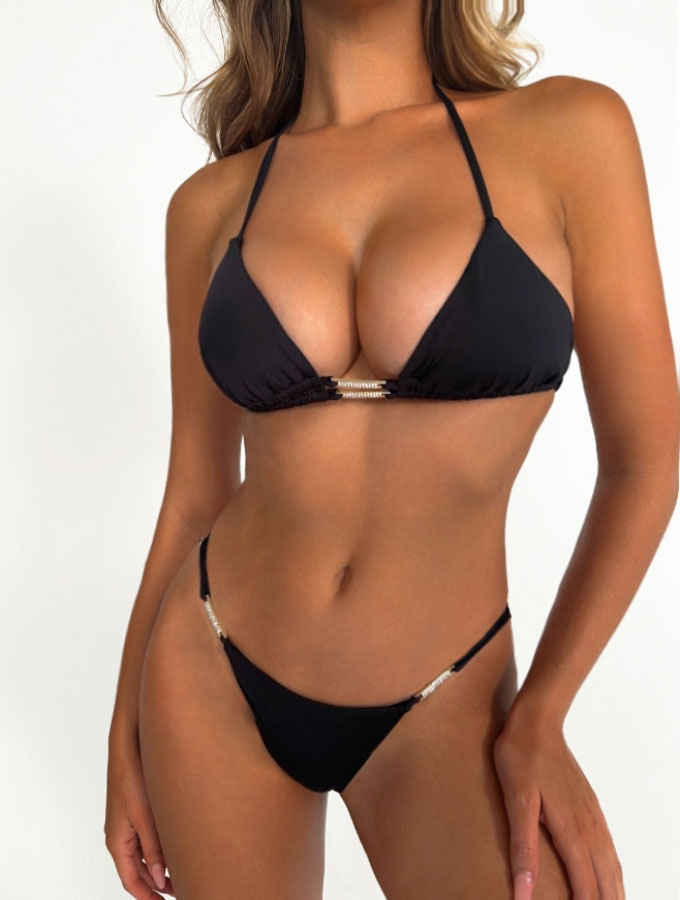
Define who performs each check, at what stage, and how defects will be documented and resolved. If your brand sells into markets with particular product or labeling requirements, identify those requirements early and obtain appropriate professional or regulatory guidance. Do not rely on generic supplier claims as proof of compliance.
Customization Options to Discuss with Your Factory
A private label collection can be differentiated through coordinated decisions rather than a logo alone. Depending on the factory's confirmed capabilities, buyers may discuss:
- Silhouette and coverage: Shape the product for the target audience and intended styling.
- Color and print: Develop a coordinated color palette, repeat pattern, or placement print.
- Fit details: Review strap width, adjustability, lining, and construction details.
- Brand identity: Specify labels, logo application, hangtags, and packaging.
- Assortment planning: Coordinate bikinis with other categories such as swimwear, shorts, or thongs, where available.
Ask the manufacturer to separate standard options from custom development in its quotation. That makes it easier to understand which choices may affect price, sample development, or minimum quantities.
How to Evaluate an OEM Swimwear Manufacturer
A supplier's product range is only one part of the decision. Buyers should also assess how clearly the company handles development and communication.
Useful questions include:
- Can the factory make the specific product category and construction you need?
- What information is required to quote accurately?
- Which parts of the sample are included, and what changes may require another sample?
- How are approved materials and product specifications recorded?
- What are the confirmed MOQ, sample cost, payment terms, and estimated production schedule?
- What inspection process can the supplier support?
- Which labels, packaging, and shipping arrangements are available?
Abely describes itself as a Dongguan-based swimwear manufacturer and lists product categories and custom-manufacturing services on its website. Treat these pages as an initial company overview, then verify project-specific details directly with the supplier.
Common Buyer Mistakes—and How to Avoid Them
- Requesting a quote with limited specifications: Share a sketch, measurements, quantity estimate, and material preferences.
- Approving a sample only by appearance: Check measurements, fit, construction, and branding.
- Changing details informally: Record revisions and obtain written confirmation before production.
- Assuming MOQ or lead time: Request current, order-specific figures; these can vary by style and materials.
- Treating broad quality claims as inspection criteria: Agree on measurable checks and defect-handling procedures.
- Combining too many untested styles in one launch: Start with a manageable assortment and validate customer response before expanding.
A Practical Pre-Order Checklist
Before confirming a private label bikini order, make sure you have:
- An approved product brief and technical specifications.
- A confirmed fabric and color selection.
- An agreed size chart and measurement tolerances.
- A reviewed and approved sample.
- Written confirmation of labels, packaging, and order quantities.
- Confirmed pricing, MOQ, sampling charges, and production schedule.
- A documented quality-check plan.
- Agreed shipping terms and required documentation.
Frequently Asked Questions
1. What information should I send when requesting a bikini OEM quote?
Send the product type, reference images or sketches, estimated quantity, size range, fabric preferences, branding needs, and destination market. If you have a measurement chart or sample, include it.
2. Can I create private label bikinis with my own branding?
Private label branding may include elements such as labels, logos, hangtags, or packaging, depending on the supplier's confirmed services. Confirm artwork requirements, placement, costs, and minimums with the factory.
3. How do I choose fabric for a custom bikini?
Start with the intended use and desired fit. Ask for fiber composition, lining options, stretch and recovery information, and swatches or samples. Evaluate the actual garment rather than relying only on a fabric description.
4. How many samples should I expect before production?
The number depends on how closely the first sample matches your brief and whether you request changes. Ask the supplier to explain its sampling process and charges, and keep written records of each approval.
5. What is the MOQ for private label swimwear?
MOQ varies by style, materials, colors, and production arrangements. Abely's public pages mention custom service and low MOQ, but buyers should request the current minimum for their exact order.
6. Can one supplier make bikinis and other apparel?
Abely lists multiple swimwear and apparel-related product categories. Ask whether the specific products in your assortment can be produced under the same order and what separate minimums or specifications apply.
Build Your Next Collection with a Confirmed Plan
A strong private label bikini order begins with a precise brief, realistic material choices, careful sample review, and written production approvals. Dongguan Abely Fashion Co., Ltd. invites brands, wholesalers, and manufacturers to discuss OEM swimwear requirements and confirm available customization, MOQ, sampling, and production details.
Ready to develop a custom bikini or swimwear collection? Prepare your design references, target quantities, size range, and branding requirements, then contact Abely to request a project-specific discussion and quotation.
Suggested Visual Assets
- After "Choosing Fabric": Add an original close-up image comparing swimwear fabric textures, lining, and stretch.
- AI prompt: "Editorial product photography, close-up flat lay of three premium swimwear fabric swatches in solid colors, visible knit texture and lining layers, neutral studio lighting, clean white background, no text, no logos, realistic textile detail."
- After "Sampling and Fit Approval": Add a simple process infographic showing brief → sample → fit review → approval → production.
- AI prompt: "Minimal professional infographic for a swimwear OEM workflow, five clearly separated stages represented by simple icons: design brief, sample, fit review, approval, production; clean navy and coral palette, white background, ample spacing, no brand names, legible English labels."
- After "Quality Checks": Add a product-inspection diagram labeling common bikini check points.
- AI prompt: "Technical flat-lay illustration of a generic two-piece bikini with discreet callout markers for seams, straps, lining, print alignment, and labels; clean apparel product-development style, white background, no brand, no measurements or unsupported claims."
Video recommendation: Not included, as requested.
References
- Dongguan Abely Fashion Co., Ltd., company description and location.
- Abely Fashion, product categories and custom swimwear manufacturing information.
- Abely Fashion, men's swimwear product category.
Source limitation: No customer reviews or original copy were supplied, so this article does not attribute experiences or claims to customers. The reference links are company or supplier-profile pages, not independent verification of certifications, performance claims, or order terms.