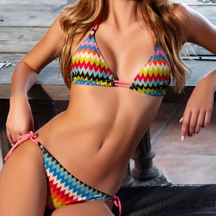
Content Menu
● 1. Prepare a Design Brief or Tech Pack
● 2. Confirm Fabric and Construction Details
● 3. Develop and Review a Sample
● 4. Approve the Final Specifications
● 5. Confirm the Production and Inspection Plan
● Unclear Fit Expectations
● Late Design Changes
● Assuming Compliance Without Documentation
● Suggested CTA
● 1. What is OEM bikini swimwear?
● 2. What should I send a bikini manufacturer for a quotation?
● 3. Why is a sample important before bulk production?
● 4. Can a factory develop both bikinis and other apparel?
● 5. How can I reduce misunderstandings during production?
● 6. How do I confirm product compliance for my market?
Choosing an OEM bikini swimwear manufacturer is about more than finding a factory that can sew a swimsuit. For brands, wholesalers, and product developers, the right partner should be able to understand a design brief, work through fabric and fit decisions, and communicate clearly from sample development to production.
Dongguan Abely Fashion Co., Ltd. is a China-based factory focused on bikinis, swimwear, shorts, and thongs, providing OEM services for international brands, wholesalers, and manufacturers. This guide explains the decisions that matter when developing a custom bikini collection—and the questions worth settling before placing an order.
Whether you are building a new private-label line or expanding an existing range, a well-defined process can help reduce avoidable revisions and align the finished product with your brand's expectations.
## What Does OEM Bikini Swimwear Manufacturing Include?
OEM (Original Equipment Manufacturing) generally refers to producing goods to a buyer's design or specifications. In swimwear, a buyer may provide a finished tech pack, or work with the manufacturer to refine product details before sampling.
A custom bikini project may involve decisions about:
- Product silhouette: triangle, bandeau, halter, high-waisted, or another shape.
- Fabric and lining: material composition, stretch, weight, hand feel, and color.
- Construction: seams, elastic, straps, closures, and lining coverage.
- Fit and size range: measurements, grading, and intended fit.
- Branding: labels, logo applications, packaging, and other agreed details.
The exact scope depends on the factory's services and the buyer's requirements. Confirm which development, sourcing, sampling, and production tasks are included before moving forward.
## Why Brands Choose Custom and Private-Label Swimwear
Custom manufacturing gives a brand more control over how a product looks and fits. It can also help buyers create a collection that feels consistent with their identity rather than selecting only from ready-made styles.
Common reasons to develop private-label swimwear include:
- Distinctive design: Choose silhouettes, colors, trims, and branding that fit your collection.
- Product alignment: Develop styles for a defined customer, sales channel, or price positioning.
- Range planning: Coordinate bikinis with complementary swimwear, shorts, or other apparel.
- Repeatability: Document approved specifications so future production can follow the agreed reference.
These benefits depend on clear specifications and reliable communication. Customization is not automatically a guarantee of better sales or a perfect fit; product-market fit, quality expectations, pricing, and merchandising all matter.
## How to Develop a Custom Bikini: A Step-by-Step Workflow
A structured development process helps both the buyer and the manufacturer identify open questions early.
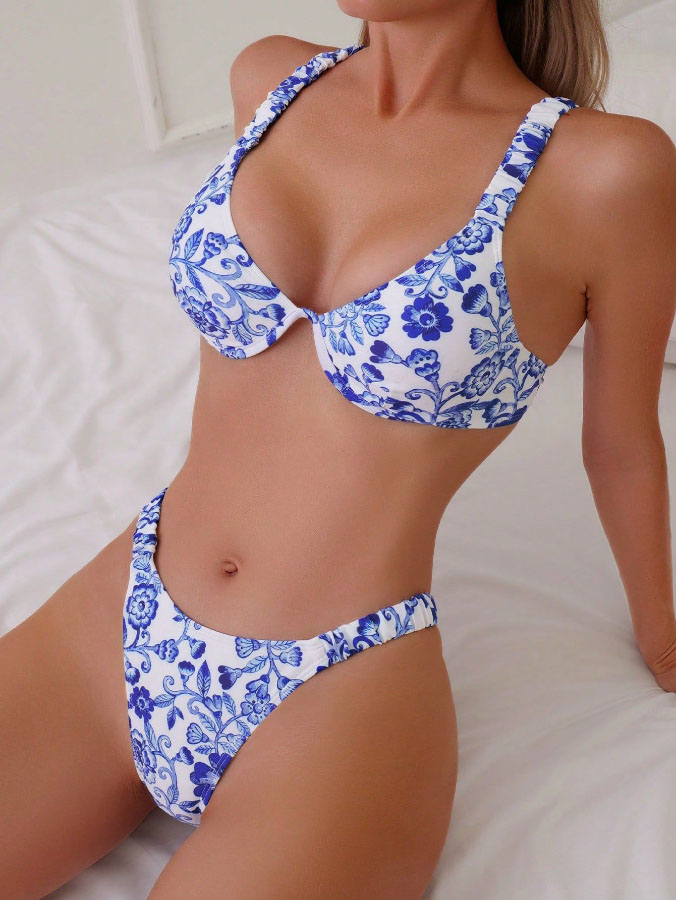
1. Prepare a Design Brief or Tech Pack
Share as much product information as you can. Useful inputs include:
- Front and back sketches or reference images.
- Size chart and key garment measurements.
- Fabric, lining, color, and trim preferences.
- Stitching or construction details.
- Logo placement, labels, and packaging requirements.
- Target market, intended customer, and expected retail positioning.
If some details are undecided, list them as questions rather than leaving them implicit. For example: "Please recommend lining options for this color and silhouette."
2. Confirm Fabric and Construction Details
Swimwear is worn in demanding conditions: it stretches, gets wet, and is exposed to repeated movement. That makes material and construction choices especially important.
Discuss the intended use of the garment and ask the manufacturer to clarify available options. Confirm the agreed fabric composition and specifications in writing. Do not assume that two fabrics with similar appearances will behave identically when stretched or wet.
For a print or color-critical design, establish how the approved reference will be used during sampling and bulk production. The right reference may depend on the material, print method, and buyer's tolerance for variation.
3. Develop and Review a Sample
A sample is an opportunity to review the design as a real garment—not just a sketch or specification sheet.
Check:
- Fit and coverage across the intended size range.
- Support and comfort for the garment's intended use.
- Stretch and recovery after movement.
- Seams, elastic, straps, and closures.
- Color, print placement, and lining opacity.
- Branding and label details.
Provide feedback in a numbered list, with photos or marked-up measurements where possible. Separate critical corrections from optional preferences so that the next sample addresses the most important issues first.
4. Approve the Final Specifications
Before bulk production, document the final approved version. Confirm that the product description, measurements, materials, colors, trims, branding, and packaging match the buyer's expectations.
A useful practice is to keep a dated record of the approved sample and specification changes. This creates a clearer reference if questions arise later.
5. Confirm the Production and Inspection Plan
Discuss order quantity, production timing, inspection expectations, packing details, and shipment arrangements directly with the factory. These terms can vary by style and order, so request written confirmation rather than relying on generic assumptions.
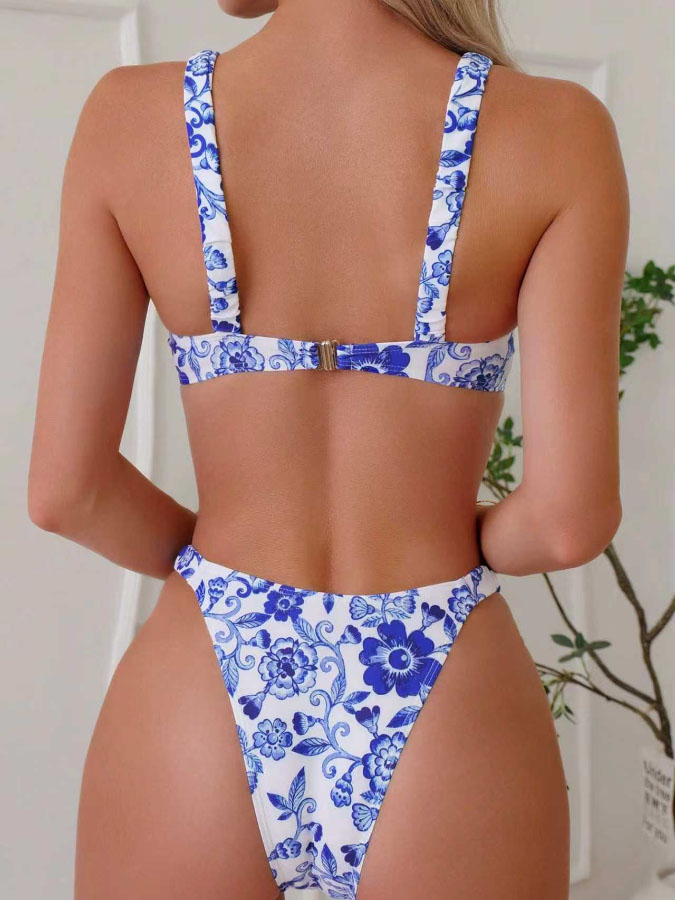
## Three Common Development Problems—and How to Prevent Them
Unclear Fit Expectations
"Standard fit" can mean different things to different teams. A buyer should specify measurements and intended coverage, then review the sample on an appropriate fit model or against an agreed measurement chart.
Practical fix: Comment on specific points—such as strap length or waist height—instead of saying only that a style "feels too small."
Late Design Changes
Changing fabric, trims, or construction after sampling may affect the sample and production plan. Even a seemingly small change can require renewed review.
Practical fix: Keep a single change log with dates, revisions, and approvals. Ask the factory to identify any impact on cost, timing, or sample requirements.
Assuming Compliance Without Documentation
Requirements can vary based on the destination market, product type, and sales channel. Do not assume that a supplier's general statement establishes compliance for every product or market.
Practical fix: Identify the relevant market requirements with your own compliance adviser or testing partner. Ask the supplier what product documentation or test support it can provide, and confirm the details for the specific order.
## A Better Way to Evaluate a Bikini OEM Supplier
Price matters, but a quotation is only useful when its scope is clear. When comparing custom bikini manufacturers, ask each supplier the same questions:
| Evaluation area | Questions to ask |
| Product scope | Can the supplier make the requested bikini, swimwear, shorts, or related styles? |
| Development | What information is needed to begin, and what is included in sampling? |
| Materials | Which fabric options can be discussed, and how are specifications confirmed? |
| Quality checks | What inspection steps are available, and what does the buyer need to approve? |
| Commercial terms | What are the quoted quantity, price basis, payment terms, and lead-time assumptions? |
| Communication | Who handles questions, revisions, and order updates? |
| Documentation | What records, labels, or product information can be supplied for the order? |
For Dongguan Abely Fashion Co., Ltd., buyers can use these questions to establish whether the factory's OEM services align with their project. Confirm all product capabilities and commercial terms directly before relying on them in a purchasing decision.
## Building a More Responsible Swimwear Brief
Responsible product development starts with specifics. Instead of using broad claims such as "eco-friendly" or "sustainable," ask what material, process, or documented attribute supports the claim.
A more useful brief can identify:
1. The requested fiber composition or material specification.
2. Any documentation the buyer expects from suppliers.
3. The destination market and applicable product requirements.
4. The exact wording the brand plans to use in marketing.
5. Who will review and substantiate environmental or performance claims.
This approach helps prevent vague claims from entering product listings or packaging without adequate support.
## How to Start an OEM Bikini Project with Abely
To request a useful quotation or development discussion, prepare a concise project brief containing:
- Product type and estimated style count.
- Sketches, images, or a tech pack.
- Target sizes and size range.
- Fabric, color, trim, and branding preferences.
- Intended order quantity, if known.
- Target market and expected launch timing.
- Questions about sampling, production, inspection, and shipping.
Clear information at the start makes it easier to identify what is confirmed, what needs sampling, and what still requires a decision. Dongguan Abely Fashion Co., Ltd. welcomes inquiries from overseas brands, wholesalers, and manufacturers seeking OEM services for bikinis, swimwear, shorts, and thongs.
Suggested CTA
Planning a custom bikini collection? Send Dongguan Abely Fashion Co., Ltd. your design brief or tech pack to discuss product requirements, sampling, and a project-specific quotation.
## Image and Graphic Suggestions
1. Hero image: custom bikini collection
Placement: Below the introduction.
AI prompt: "Editorial flat-lay of a coordinated custom women's bikini swimwear collection in solid colors, clean studio lighting, premium fashion brand aesthetic, fabric texture visible, no logos, no text, landscape 16:9."
2. Bikini construction detail diagram
Placement: In the fabric and construction section.
AI prompt: "Clear product-development infographic of a women's bikini showing lining, elastic, seams, straps, and closure, neutral background, precise technical fashion illustration, labeled areas left blank for later design, landscape 4:3."
3. Sample review checklist graphic
Placement: Beside the sample-review section.
AI prompt: "Minimal fashion product quality checklist for a bikini sample, showing fit, stitching, straps, lining, color, and label inspection icons, professional B2B apparel sourcing design, no brand marks, landscape 16:9."
4. OEM development workflow graphic
Placement: After the step-by-step workflow.
AI prompt: "Simple five-stage swimwear OEM process infographic: design brief, material confirmation, sample review, specification approval, production inspection, clean modern B2B layout, editable empty spaces for labels, landscape 16:9."
## FAQ: OEM Bikini Swimwear
1. What is OEM bikini swimwear?
OEM bikini swimwear is produced to a buyer's design or specifications. The scope of support—such as sourcing, sampling, or branding—should be confirmed with the manufacturer.
2. What should I send a bikini manufacturer for a quotation?
Send a design brief or tech pack, product images, size range, material preferences, branding requirements, estimated quantity, destination market, and target timing if available.
3. Why is a sample important before bulk production?
A sample lets the buyer review fit, construction, color, coverage, and branding on a physical garment before approving production specifications.
4. Can a factory develop both bikinis and other apparel?
Dongguan Abely Fashion Co., Ltd. states that it focuses on bikinis, swimwear, shorts, and thongs. Confirm the specific style and production requirements directly with the factory.
5. How can I reduce misunderstandings during production?
Document measurements, materials, color references, construction details, and approvals. Keep revisions in a dated change log and clarify any cost or timing impacts before confirming changes.
6. How do I confirm product compliance for my market?
Identify the rules applicable to your destination market and product with a qualified compliance adviser or testing partner. Request relevant documentation for the specific product and order rather than relying on general assurances.
## References
- — General directory example describing OEM and private-label swimwear services; it is not evidence of Abely's services or credentials.
Source limitation: No original company copy, customer reviews, factory documentation, certifications, or authoritative market/regulatory sources were supplied. Accordingly, this draft does not present fabricated testimonials, statistics, certifications, minimum order quantities, or delivery promises. Add only claims that Abely can substantiate.